
Last updated October 15, 2026
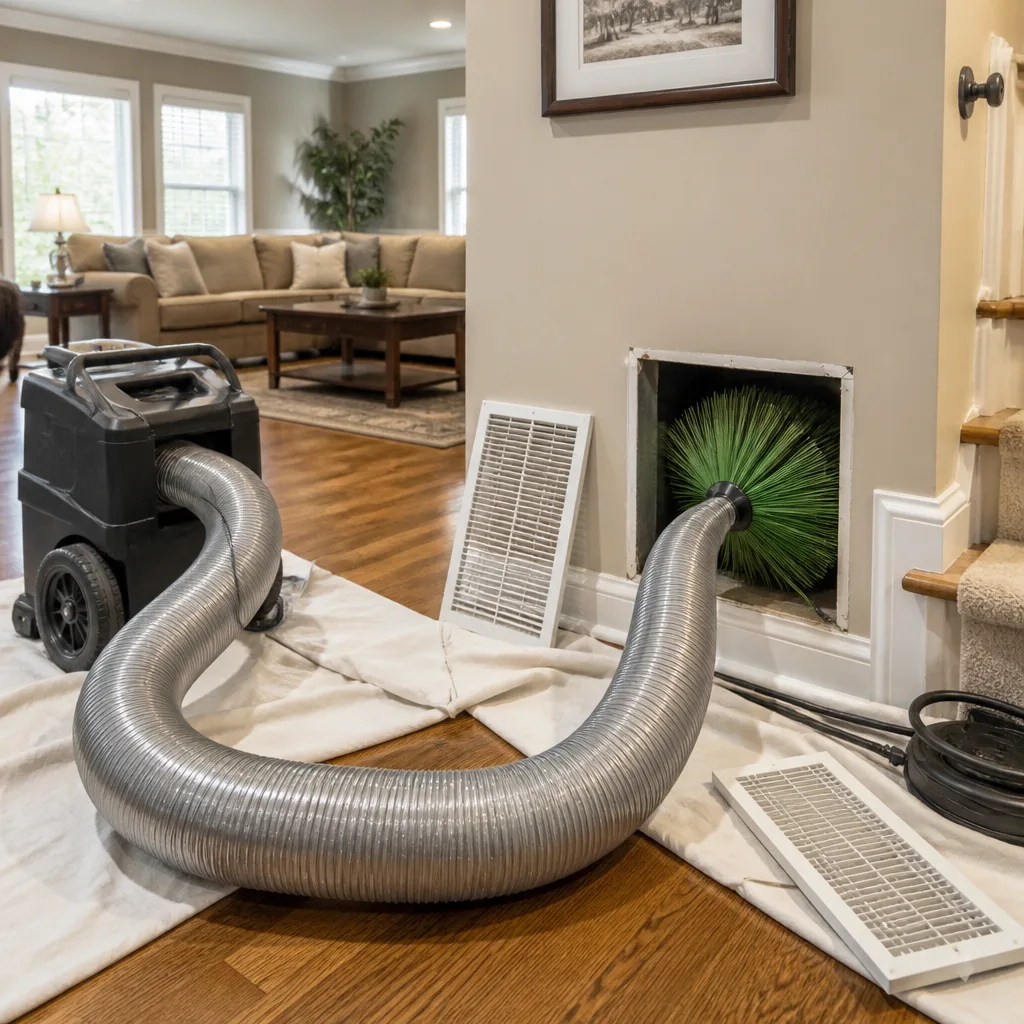 Whole-home duct cleaning
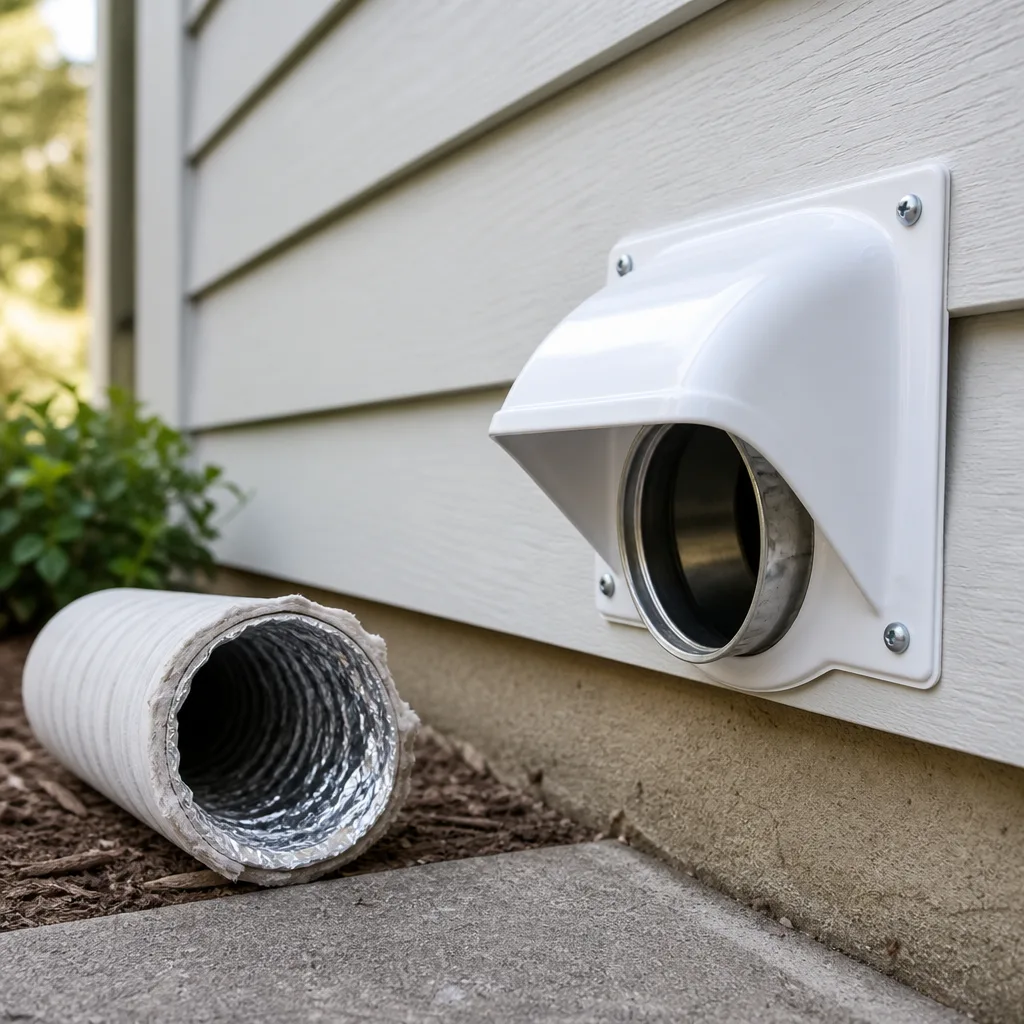 Dryer vent cleaning
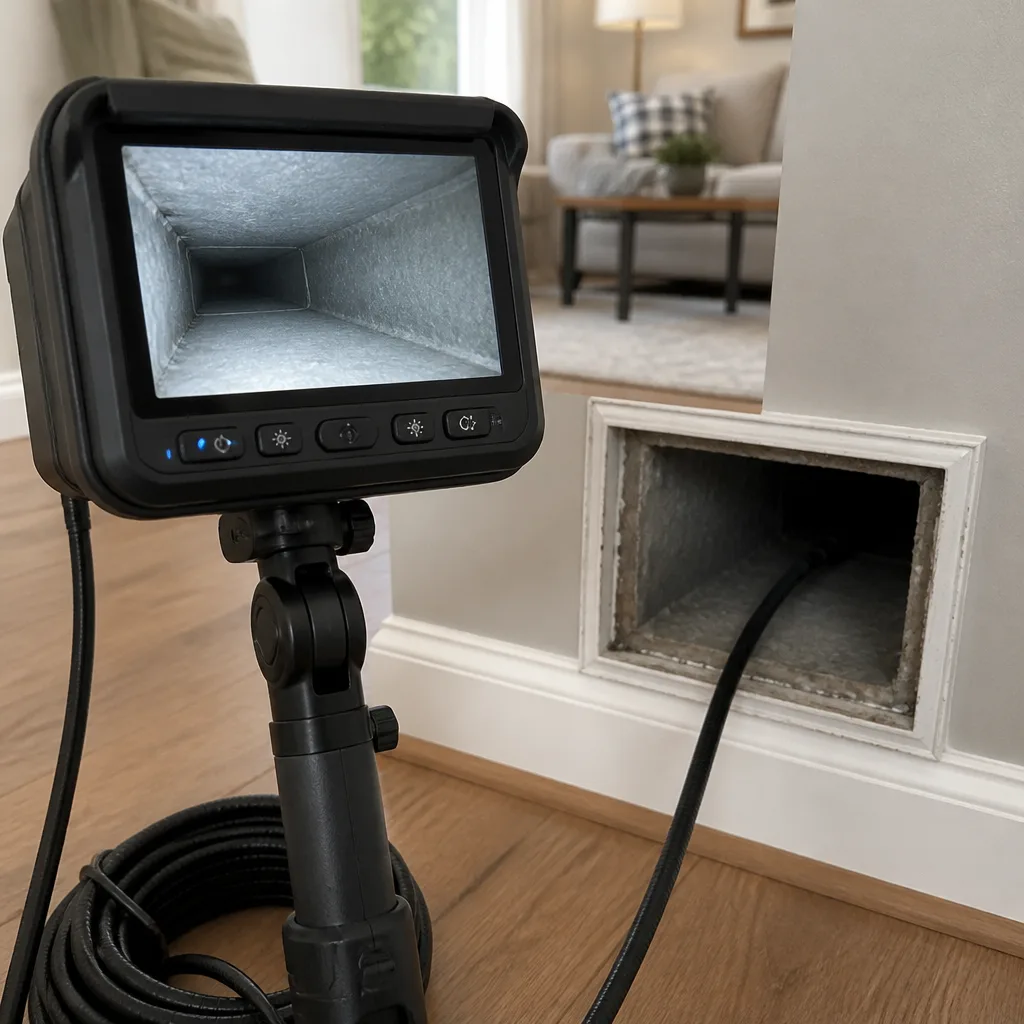 Camera inspection
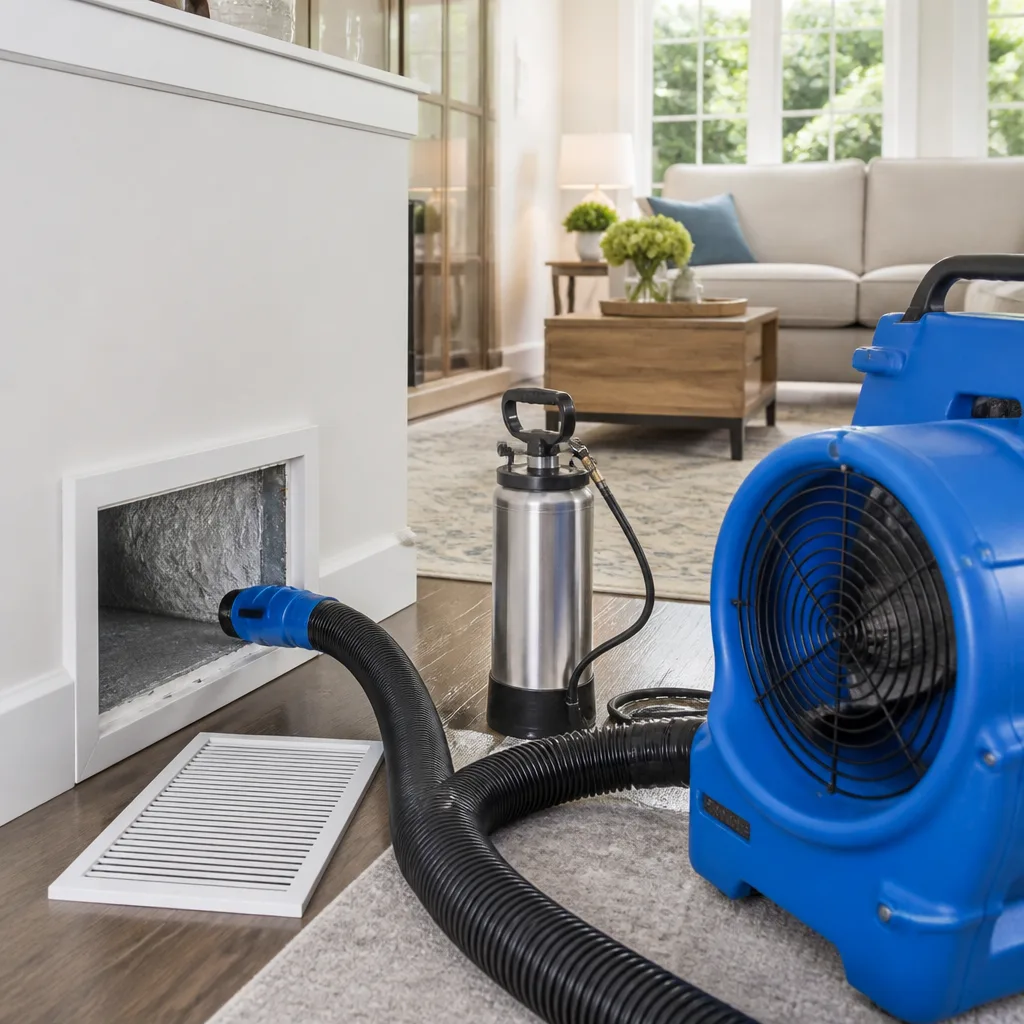 Sanitizing & deodorizing
Whole-system duct and dryer vent check with before-and-after photos - you see exactly what came out of your vents
That "$99 whole-house special" is a bait ad - the real number appears once they are in your hallway, or the "clean" is a shop-vac at the register. We photograph the inside of your ducts before and after instead.
DIY vs Professional Air Duct Cleaning: The Sacramento Homeowner’s Decision Guide
A shop vac at a register opening cleans about four inches of duct and redistributes the rest. That’s the uncomfortable truth most Sacramento homeowners discover after a Saturday spent dragging hoses through the hallway. The particulates you were trying to remove get stirred into the air stream, blown through the living room, and settle back into the ducts within a week. This guide draws the line between what genuinely works as a DIY project and what requires professional equipment, using what we’ve seen in Sacramento homes since 2005.
Quick Answer
DIY air duct cleaning is only effective for two tasks: cleaning register covers and grilles, and replacing filters on schedule. Everything else – the actual duct runs, the main trunk line, the return plenum – requires negative-pressure equipment and rotary brush systems that consumer tools cannot replicate. In Sacramento, where dust from the Central Valley and seasonal wildfire smoke push more particulates through HVAC systems than in coastal cities, professional cleaning typically costs $350 – $550 for a whole home and is worth it when visible debris, renovation dust, or pet dander have accumulated past the point of filter replacement.
Styles & brands we work with
Table of Contents
- What You Can Actually Do Yourself (And Do Well)
- What Happens When You DIY the Ducts
- Sacramento Scenarios Where DIY Risks Real Damage
- The Honest Cost Comparison: DIY vs Professional
- When Professional Cleaning Is Not Optional
- How Professionals Actually Clean Ducts
- Common Mistakes to Avoid
- When to Call a Professional
- Frequently Asked Questions
What You Can Actually Do Yourself (And Do Well)
There are exactly two duct-related tasks a Sacramento homeowner can do well with basic household tools: register and grille cleaning, and filter replacement. Both produce immediate, measurable improvements in airflow and indoor air quality. Neither requires professional equipment. And both are genuinely worth doing every few months in a home with kids, dogs, or both.
Task One: Register and Grille Cleaning
Every supply register and return grille in your home collects a film of dust, pet hair, and cooking residue. This buildup restricts airflow and becomes the first thing you smell when the system kicks on. Cleaning them takes about ten minutes per register and requires nothing more than a screwdriver, a vacuum with a brush attachment, warm water, and dish soap.
- Turn off the HVAC system at the thermostat.
- Unscrew the register cover from the wall or floor. Set screws aside in a small bowl so they don’t roll under the couch.
- Vacuum the back side of the register with the brush attachment, working along each fin.
- Fill a sink with warm water and a few drops of dish soap. Scrub the register with an old toothbrush, pay special attention to the fin edges where grime accumulates.
- Rinse, dry completely with a rag, and reinstall before turning the system back on.
- While the register is off, use the vacuum hose to remove visible dust at the opening. Do not push the hose more than a few inches into the duct itself.
That last step matters. The vacuum cleans the first few inches of the boot, which is good. Going deeper with a household vacuum creates the problem we described at the top: it stirs fine particulates into the air stream without the negative pressure needed to contain them.
Task Two: Filter Replacement on the Correct Schedule
The single highest-impact maintenance task in any Sacramento home is replacing the HVAC filter on time. In our climate, that means every 60 – 90 days for most households, and every 30 days if you have shedding pets, live near a busy road, or experienced wildfire smoke recently. A clogged filter forces the blower motor to work harder, pushes dust past the filter frame, and shortens the life of the equipment.
Here’s the step-by-step:
- Locate the filter. It’s usually in the return grille, in a slot near the air handler, or in the furnace cabinet.
- Note the direction arrow on the old filter before removing it. The arrow points toward the blower.
- Remove the old filter and check it against a light source. If you can’t see light through it clearly, it was long overdue.
- Slide in the new filter with the arrow pointing in the same direction as before.
- Write the installation date on the filter frame with a marker.
- Set a phone reminder for the next replacement based on your schedule: 30 days for heavy pet homes, 60 – 90 for standard Sacramento conditions, and immediately after any nearby wildfire smoke event.
Beyond these two tasks, honest DIY options drop off quickly. Mortons Air Duct Sacramento home has guides that go deeper on maintenance, but the line we’re drawing here is clear: registers, filters, and visual inspection are yours. The duct runs themselves are not.
What Happens When You DIY the Ducts
To understand why consumer equipment fails at duct cleaning, it helps to understand what’s actually inside your ducts and what professional equipment does differently. Most Sacramento homes have duct runs between 15 and 40 feet, with multiple elbows and transitions. The debris inside them isn’t just loose dust. It’s a compacted layer of dust, pet dander, hair, and fibers that has been baked on by heat cycles and held in place by static charge.
Where the Debris Goes
When you push a shop vac hose into a duct, the hose reaches perhaps six feet before friction and elbows stop it. The vacuum pulls air at maybe 100 – 150 cubic feet per minute, concentrated at the hose opening. Professional negative-air machines pull 2,000 – 4,000 CFM from the entire system, creating airflow through every branch simultaneously. The difference matters because of what happens to fine particles: your shop vac captures the heavy stuff near the opening while the fine dust, which is the bulk of the allergic response material, gets agitated and pushed into the living space.
In our experience, the week after a DIY attempt can have air quality noticeably worse than before. Families call us because someone in the house started sneezing more, not less, after a weekend cleaning session. The measurement is simple: if you can’t contain the particles you’re disturbing, you’re redistributing them.
Why Negative Pressure Matters
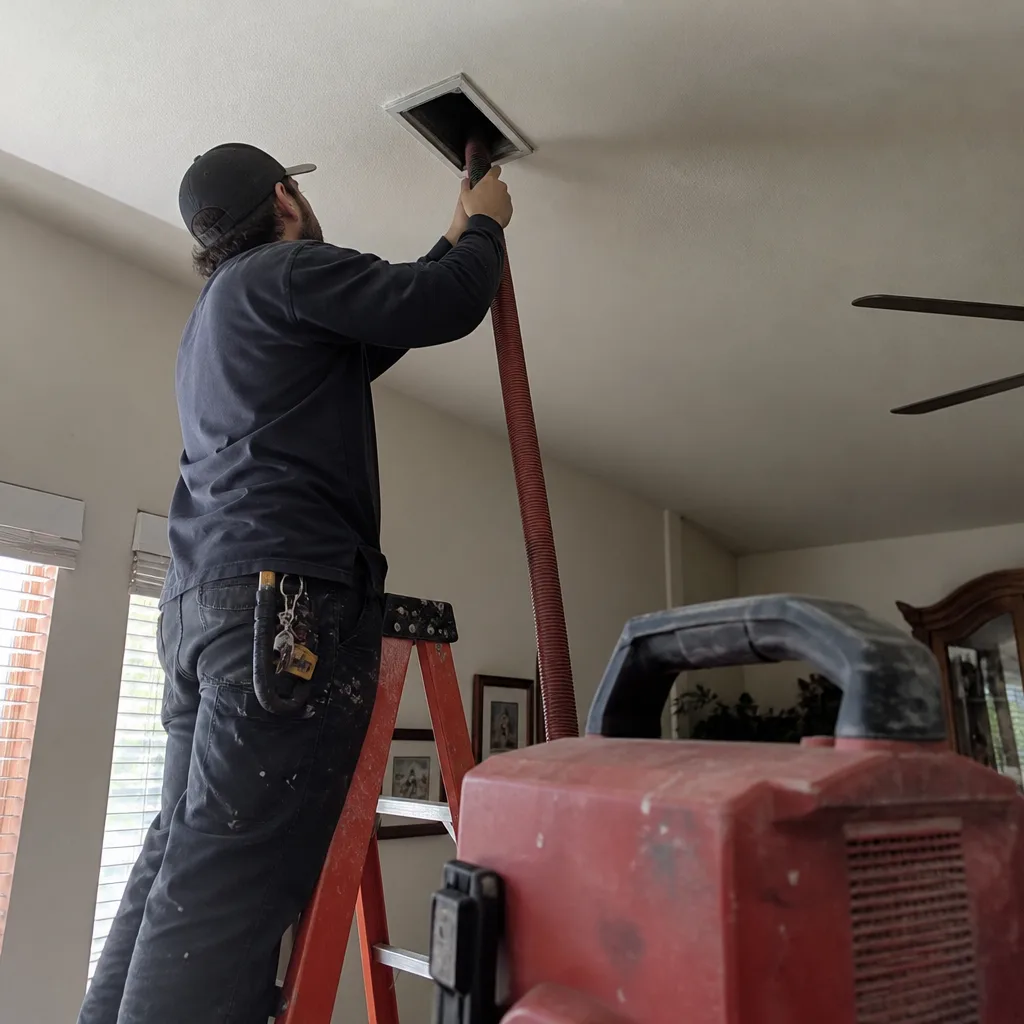
Professional duct cleaning works by putting the entire duct system under negative pressure. A powerful vacuum unit connects to the trunk line, usually at the furnace plenum, and pulls air backward through every register and return. The technician then uses agitation tools – compressed air whips, rotary brushes, or both – at each register opening. The negative pressure ensures that every particle knocked loose gets pulled toward the vacuum, not pushed into the room.
Consumer equipment cannot create this condition. A shop vac connected at one register pulls from that one opening only. The vacuum’s exhaust may be filtered, but the agitation that happens inside the duct still pushes particles into branches the vacuum isn’t connected to. When the system restarts, those particles blow into the house.
What Rotary Brush Systems Actually Do
This is where the professional equipment gap becomes concrete. A rotary brush system uses a motorized brush head, like a large pipe cleaner, that spins at high speed while being fed through the duct. The brush physically scrubs the duct walls, breaking the accumulated layer of dust and debris free from the metal or flex material. Simultaneously, the negative air machine captures everything the brush dislodges.
Air Duct Cleaning in Sacramento typically uses equipment from brands like Rotobrush and Nikro. These systems are designed for exactly this combination of mechanical agitation and continuous containment. The brush does the work a vacuum hose physically cannot do: reaching the full length of the duct, following the elbows, and scrubbing the walls rather than just sweeping the floor of the duct. A homeowner with a shop vac is performing a fundamentally different task with fundamentally different results.
Sacramento Scenarios Where DIY Risks Real Damage
Sacramento’s housing stock includes some specific duct configurations that make DIY attempts riskier than in other parts of the country. Three situations account for most of the damage we see on service calls that follow homeowner attempts.
Flex Duct Systems
A large percentage of Sacramento homes built since the 1980s use flexible duct, also called flex duct. This material is a wire coil covered with plastic and insulation. It’s lighter and cheaper than rigid sheet metal, but it’s also delicate. Pushing a rigid vacuum hose or improvised tool into a flex duct can tear the inner liner, separate the coil from the fittings, or puncture the insulation. Each of those failures creates an air leak, which means conditioned air escapes into the attic or crawlspace instead of reaching the bedroom. That’s an energy loss on top of a cleaning failure. Flex duct repair requires accessing the attic or crawlspace and re-sealing or replacing sections. It’s not a weekend fix.
Previous Water Damage
Sacramento’s winter rains and the occasional plumbing leak mean some homes have ducts with historical moisture exposure. When a duct has been wet, the interior can harbor mold or mildew that has dried but remains viable. Agitating these ducts with household equipment can release mold spores into the living space without removing the source material. Worse, the spores you release will recolonize wherever they land, including the new spots inside the same ducts. If you can see water staining on ceiling tiles near registers or smell a musty odor when the blower starts, this is not a cleaning situation. It’s a containment and remediation situation that requires professional-grade equipment and methods.
Older Fiberboard Duct Liner
Some Sacramento homes built before the mid-1980s have sheet metal ducts lined with fiberboard for insulation and sound dampening. This liner material degrades over time. The surface becomes friable, meaning it releases fibers when touched. A homeowner aggressively vacuuming or scrubbing the inside of these ducts accelerates the deterioration and fills the air with fiberglass particles, which are respiratory irritants. Professional cleaners can identify fiberboard liner during inspection and adjust their methods. We use lower-pressure agitation or, in some cases, recommend replacement over cleaning, because the material has reached the end of its life. A homeowner with a shop vac has no way to know the difference until the damage is done.
Each of these scenarios shares a common thread: the duct material itself becomes damaged by consumer-level cleaning methods. The damage may not be visible from inside the house, but it shows up as reduced airflow, increased energy bills, or fibers and particles appearing at supply registers. By the time you notice, the repair cost often exceeds what a professional cleaning would have cost in the first place.
The Honest Cost Comparison: DIY vs Professional
Cost is the reason most Sacramento homeowners consider DIY duct cleaning. The comparison below is honest about what each option actually costs in dollars, time, and risk of collateral damage. This is the math we would want before making the decision ourselves.
DIY Equipment Rental Route
- Equipment rental from a local hardware store: $35 – $75 per day for a heavy-duty shop vacuum, plus hoses and attachments
- Optional: rotary brush kit from an online retailer, consumer grade: $40 – $100
- Protective gear: respirator mask, goggles, gloves: $25 – $50
- Total hard cost: $100 – $225
- Time investment: 4 – 8 hours for an average 2,500-square-foot home
- Result: cosmetic improvement at register openings, debris redistribution in the duct runs, no containment of fine particles
- Risk: damage to flex duct or fiberboard liner, mold spore release, filter bypass, system imbalance
Professional Service Route
- Whole-home air duct cleaning in Sacramento: $350 – $550 for most single-family homes, depending on the number of systems and the length of the duct runs
- Time investment: 3 – 5 hours, during which the homeowner does nothing but answer the door
- Result: mechanical scrubbing of duct walls, full negative-pressure containment, debris removal from all branch runs and the main trunk
- Risk: none beyond choosing a reputable company
What the Dollar Difference Actually Buys
The gap between the high end of DIY ($225) and the low end of professional ($350) is about $125. That money buys several specific things. First, it buys containment: the professional process keeps the loosened debris inside the ducts instead of releasing it into the house. Second, it buys reach: professional equipment goes the full length of every run, including the elbows and transitions where debris accumulates. Third, it buys speed: a trained technician with proper equipment does in three hours what would take a homeowner all weekend, with objectively better results. Fourth, it buys accountability: a written price before work starts, a defined scope of work, and a service standard.
For homes with flex duct, the cost comparison shifts further. A single tear in a flex duct from a vacuum hose can cost $150 – $300 to repair, which consumes the entire savings. Two tears and you’re at a loss, plus you’ve released debris into the attic and compromised the system. The financial logic only works in the homeowner’s favor on the simplest, shortest, most accessible duct runs, and those are exactly the homes that least need cleaning in the first place.
When Professional Cleaning Is Not Optional
There are conditions where duct cleaning is not a discretionary home improvement project but a necessary corrective action. In these situations, DIY is not a budget-conscious alternative that produces lesser results. DIY is actively unsafe and counterproductive.
Visible Mold on or Around Registers
If you can see mold on register covers, inside the boot, or on adjacent drywall, the contamination has a source somewhere in the system. Cleaning only the visible portion leaves the reservoir untouched, and disturbing it with household equipment releases spores. This requires professional assessment of the full duct runs, the coil, and the plenum. If mold is confirmed, the ducts need professional cleaning with containment, and the underlying moisture problem has to be fixed or the mold returns.
Post-Renovation Debris Accumulation
Sacramento’s strong remodel market means many homes go through kitchen, bathroom, or whole-house renovations. Drywall dust settles into every horizontal surface, including heat registers and return openings. Once the system runs, that dust gets pulled into the ducts where it coats the interior surfaces and blower components. Drywall dust is extremely fine, alkaline, and abrasive. Running the HVAC without a professional cleaning after a renovation means months of dust recirculation, premature filter loading, and potential bearing wear on the blower motor. This is a case where the renovation budget should include duct cleaning as a standard line item.
Confirmed Rodent Activity in the Ducts
If you hear scratching in the ceilings or at register boots, or find droppings at register openings, rodents have accessed the duct system. Their droppings, urine, and nesting material are biohazards. Professional removal is required, followed by duct cleaning and sealing of the entry points. Household equipment cannot sanitize this condition, and attempting it exposes you directly to the contaminants. This is also a common scenario we see in Sacramento’s older neighborhoods, where crawlspaces and attics provide easy access to duct runs. The duct repair and sealing work must happen alongside cleaning, or the problem recurs next season.
None of these scenarios is ambiguous. If you can see it, smell it, or hear it, the time for a do-it-yourself approach has passed. Dryer Vent Cleaning in Sacramento follows a similar logic: some maintenance is yours, but a fully blocked vent from roof to exterior is a job for equipment designed for the task.
How Professionals Actually Clean Ducts
Understanding what a professional service actually does during a standard visit helps clarify the value of the cost difference. This is a transparent description of a typical whole-home air duct cleaning, step by step, using the process we follow at Mortons Air Duct Sacramento.
Pre-Cleaning Inspection
The technician begins with a visual inspection of the system. This means opening the return and supply registers, inspecting the condition of the duct material, checking for signs of moisture or mold, and confirming the layout of the trunk line and branch runs. We’re looking for the three risk factors described earlier: flex duct, water damage, and fiberboard liner. The inspection determines which agitation method is appropriate and whether any areas need repair before cleaning begins.
System Set-Up and Contamination Control
Before any cleaning starts, the technician prepares the home. Shoe covers go on at the door. Drop cloths protect the flooring from the entry point to the air handler. The system is opened at the plenum, and a high-efficiency negative air machine connects directly to the trunk line. This machine remains running for the entire cleaning process, maintaining continuous airflow through the system so that every dislodged particle moves in one direction: toward the collection unit.
Register-by-Register Agitation
With negative pressure established, the technician works from register to register. Each supply vent and return grille is removed. Agitation tools are inserted into the duct opening. Depending on the duct type and level of buildup, this may include compressed air whip lines, rotary brushes, or a combination of both. The agitation breaks the debris layer free from the duct walls, and the airflow carries it to the collection unit. This process continues until every branch run and both trunk lines have been addressed.
After-Cleaning Verification
When the cleaning pass is complete, the technician performs a post-cleaning inspection. This includes checking that all registers are cleaned and reinstalled, verifying that the system is reassembled correctly, and confirming that airflow feels consistent across all supply registers. We also take a photo of the work area before leaving, showing the condition the home was left in. That photo is part of the standard practice, so homeowners have visual proof of what was cleaned and that the home is clean when the crew departs.
The entire process for a typical Sacramento single-family home takes between three and five hours, depending on the number of systems and registers. The price is provided in writing before any work begins, and the 365-Day Done Right Promise means if something isn’t right, we come back and make it right. That’s not a guarantee that gets triggered. It’s a standard we build the process to meet.
Common Mistakes to Avoid
- Using a leaf blower to clean ducts. This doesn’t clean anything. It pressurizes the system and forces dust, allergens, and debris into every room simultaneously. Leaf blowers also introduce unburned fuel residues into the ductwork. We have cleaned Sacramento homes after this experiment and it is always more work than starting from scratch.
- Believing filter replacement is the same as duct cleaning. The filter protects the blower and coil from large debris. It does nothing for the dust that has accumulated upstream in the return ducts or downstream in the supply runs over years of use. A clean filter on a dirty duct system delivers dirty air more efficiently.
- Cleaning only the accessible registers. The first few feet of duct at each register is the visible tip of the iceberg. Debris concentrates in elbows, transition boxes, and the far end of the trunk line, none of which is reachable from the register opening with consumer tools.
- Spending the savings on the wrong fix. Some homeowners spend the money they saved by not hiring a professional on air purifiers or scented filters that mask odors without removing the source material. The odor is coming from the ducts. The air purifier is filtering the air after it leaves the ducts. The math doesn’t work.
- Waiting until the problem is visible to address it. By the time dust plumes are visible at the registers or odors are consistent when the blower runs, the contamination layer is substantial. Annual or two-year cleaning schedules based on the conditions in your home prevent problems instead of responding to them.
- Mixing DIY tasks with professional scope confusion. A homeowner who regularly cleans registers and changes filters still benefits from professional duct cleaning on a schedule. The DIY tasks reduce the rate of accumulation. They don’t eliminate accumulation. Some homeowners feel that because they maintain regularly, they’ve somehow avoided the need for any professional attention, and that’s not how accumulation works.
When to Call a Professional
Call a professional when you see dust collecting at register openings within days of cleaning, when you smell a musty or dusty odor when the system first starts, when renovation work has occurred in your home, when a pet with heavy shedding has lived in the house for more than a year, or when you simply can’t remember the last time the ducts were cleaned. The phone call costs nothing and the estimate is free. Mortons Air Duct Sacramento offers free estimates in Sacramento and the surrounding area. We’ll give you a written price before any work begins, every time. Call (279) 239-4171, and a live person answers, not a voicemail, not a chatbot. If you’re not sure whether your system needs cleaning, we’ll tell you honestly, including when the answer is that it doesn’t.
Frequently Asked Questions
Whole-home air duct cleaning in Sacramento typically costs between $350 and $550 for an average single-family home with one HVAC system. Smaller condos and townhomes often run lower, while large homes with multiple systems or long duct runs can exceed that range. The price includes the full cleaning pass, register cleaning, and system inspection. Call (279) 239-4171 for a written estimate tailored to your specific home, free of charge and with no obligation.
Lowball quotes in the Sacramento market usually come from bait-and-switch operators who quote a low base price to get a technician into the home, then inflate the invoice with per-vent charges, filter upgrades, or fabricated findings of mold. A legitimate company provides a written flat price for the whole system before any work starts. If a quote is significantly below $300 for a full home, ask what the total will be if the technician finds “additional buildup.” The answer usually reveals the model. Call (279) 239-4171 if you want an honest quote with no surprises.
Reputable companies provide before-and-after photographs of the interior of the ducts, taken at the same locations, showing the condition before and after cleaning. At Mortons Air Duct Sacramento, we also photograph the work area after cleanup so you have visual proof of the home’s condition when the crew leaves. You should be able to see clear improvement in the duct walls, not just a verbal assurance. Call (279) 239-4171 and we’ll explain the verification process in detail.
Most Sacramento homes benefit from professional cleaning every two to four years, depending on household conditions. Homes with shedding pets, residents with allergies or asthma, homes near busy roads or construction, and homes that have recently gone through renovation should trend toward every two years. A home with no pets, minimal dust generation, and good filter discipline can go longer. We recommend an inspection at the two-year mark rather than arbitrary scheduling. Call (279) 239-4171 for a professional assessment of your home’s specific situation.
A shop vac reaches a few feet into the duct and captures only the heaviest debris near the opening. The finer dust, which is the material that triggers allergy symptoms and carries odors, gets stirred into the air and redistributed through the house. The effort often makes air quality worse for several days afterward. If you want to do something yourself, clean the register covers and replace the filter. Leave the duct runs to equipment designed for the job. Call (279) 239-4171 and we’ll give you an honest assessment of whether your ducts actually need professional attention.
Yes, professional duct cleaning removes pet hair and dander that have accumulated inside the duct runs, not just the visible material at register openings. Sacramento homes with indoor dogs or cats accumulate a significant dander load inside the ductwork, especially in return ducts that pull air from living areas. The cleaning process removes the source material rather than filtering air after it leaves the ducts. Call (279) 239-4171 and mention your pets when requesting an estimate, so we can factor their impact into the scope of the quote.
The Bottom Line
DIY air duct cleaning has exactly two tasks that work: register cleaning and filter replacement. Both extend the life of your system and improve airflow. Neither replaces professional duct cleaning. The debris that builds up on the walls of duct runs over years of use requires mechanical agitation and negative-pressure containment that consumer equipment cannot provide. In Sacramento, where dust, wildfire smoke, and pet dander push the accumulation rate higher than in many regions, professional cleaning every two to four years is the realistic path to ducts that stay clean. When you’re ready, call (279) 239-4171 for a free written estimate and a straight answer about what your home actually needs.
Written by Paul Adeyemi, Owner at Mortons Air Duct Sacramento, serving Sacramento since 2005.
See the difference
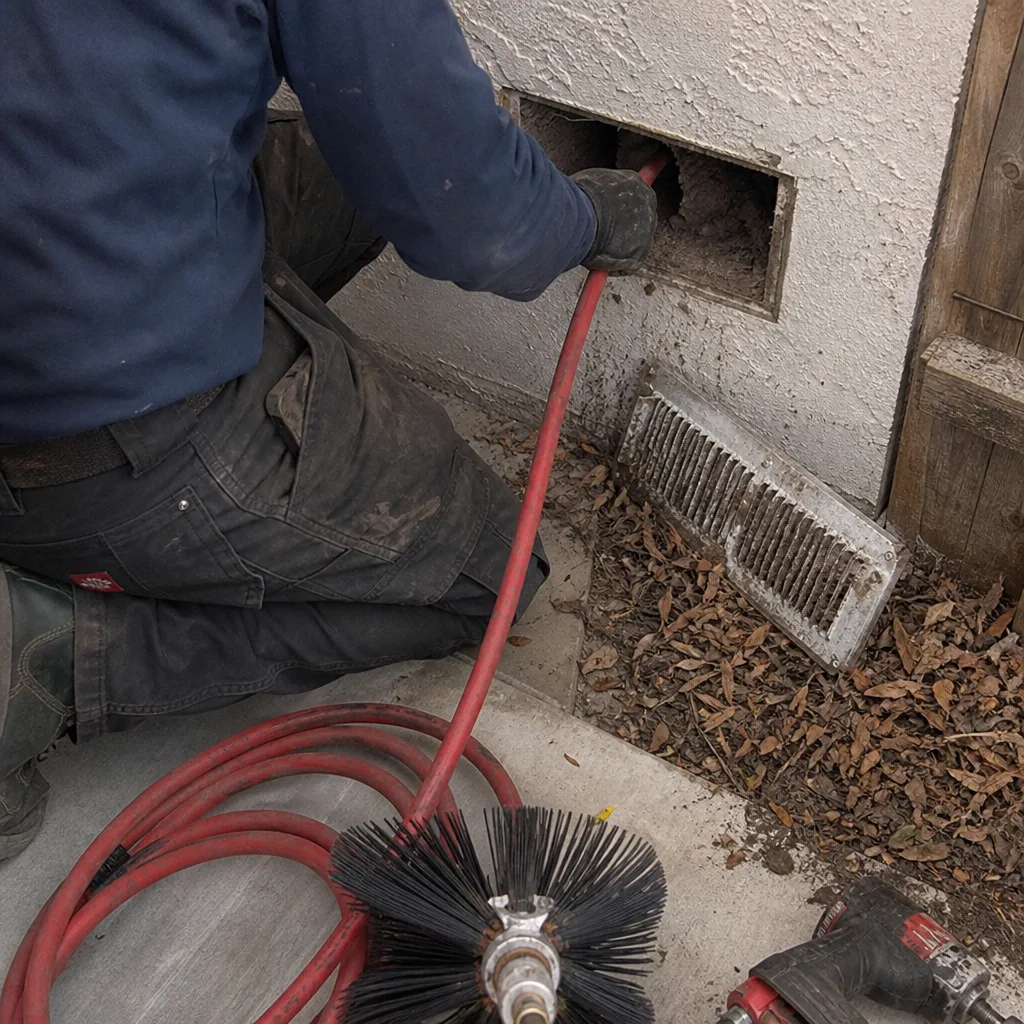 Before
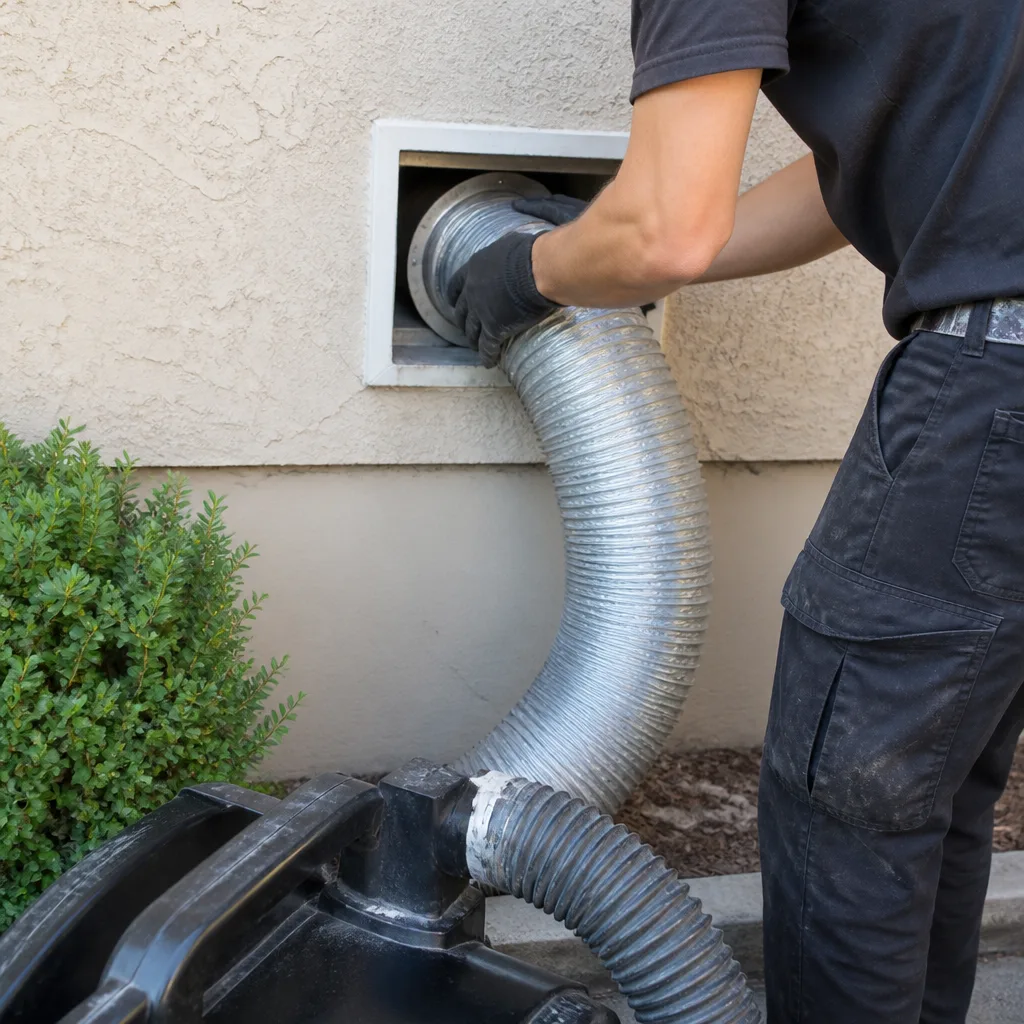 After
After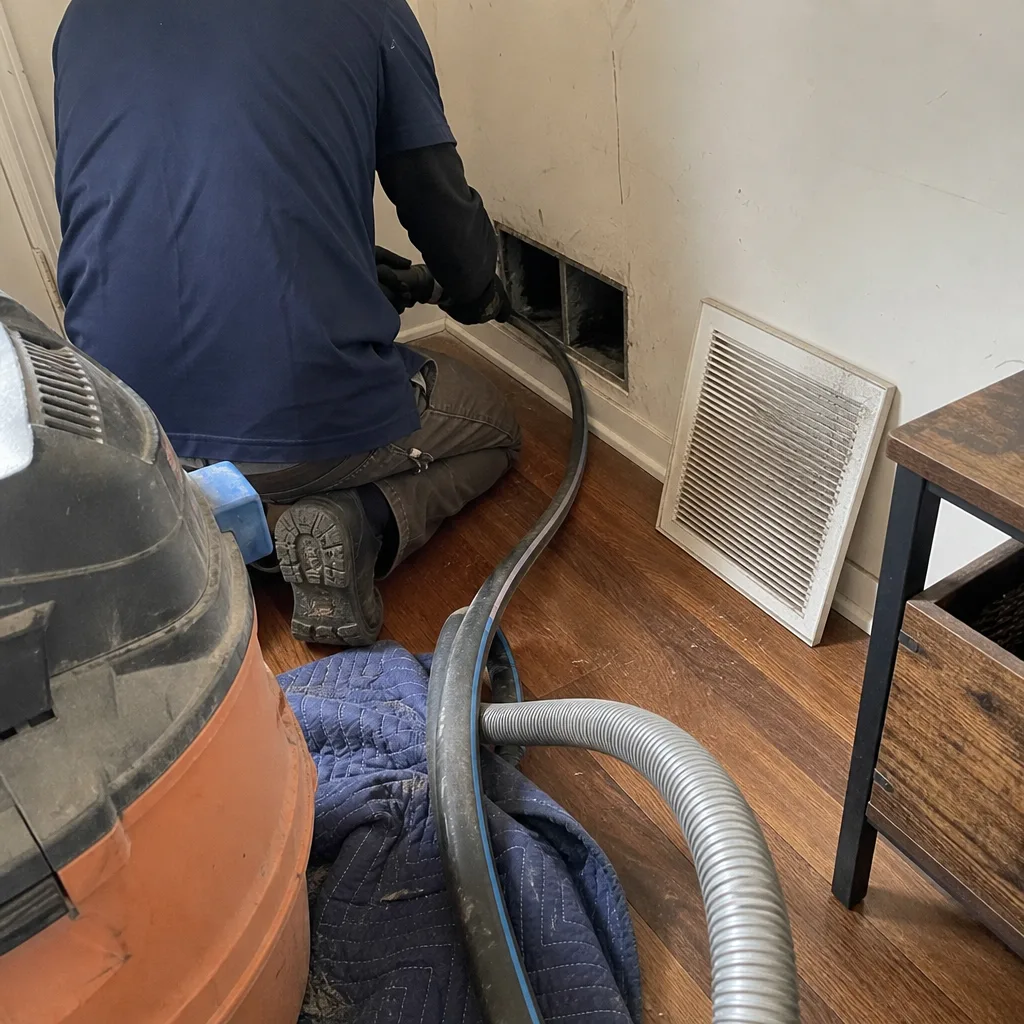 Before
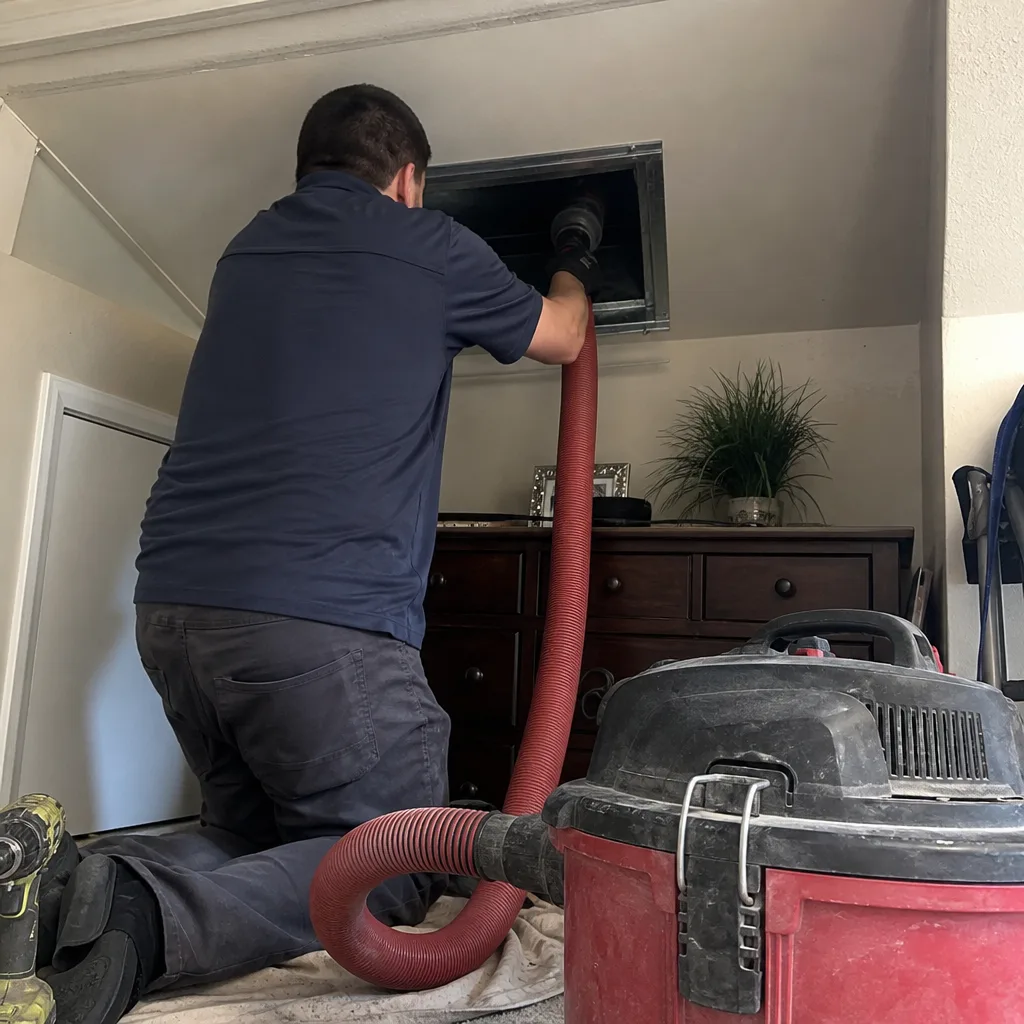 After
After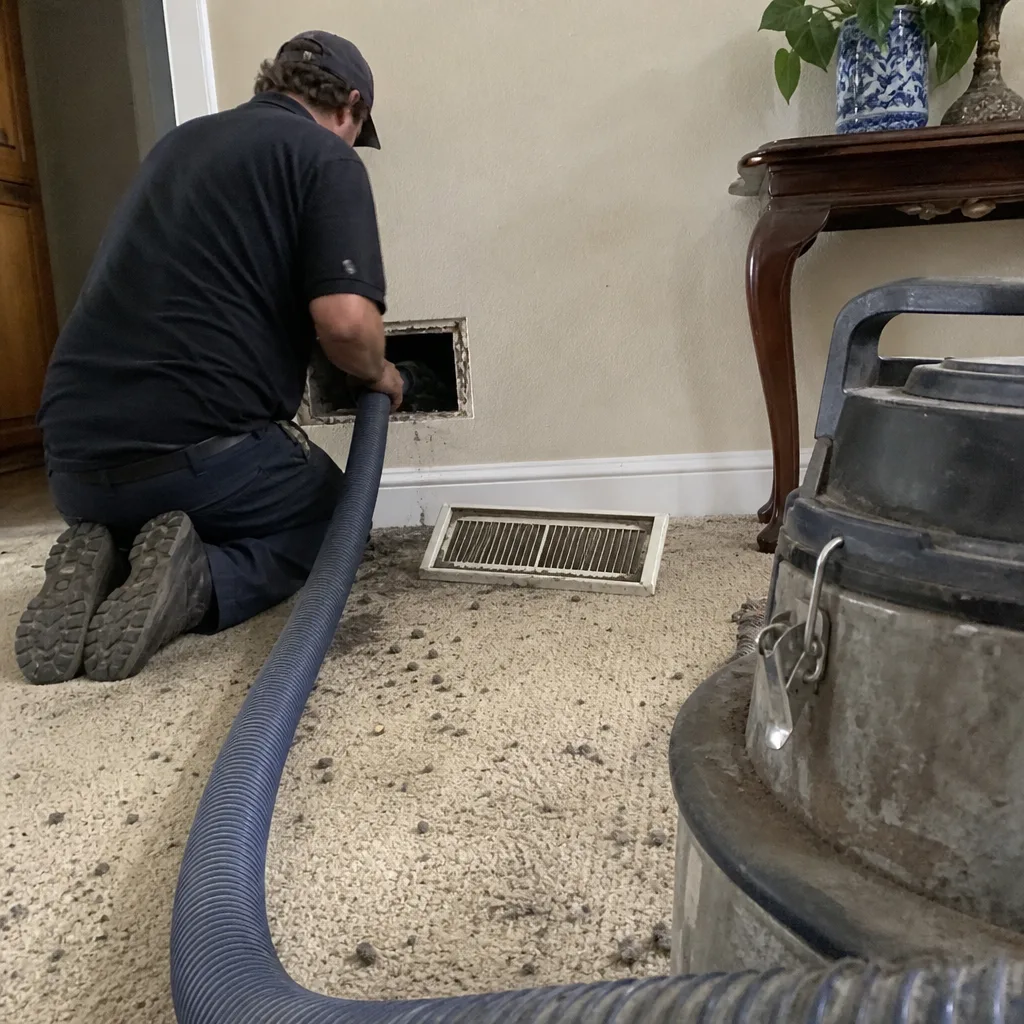 Before
 After
After