
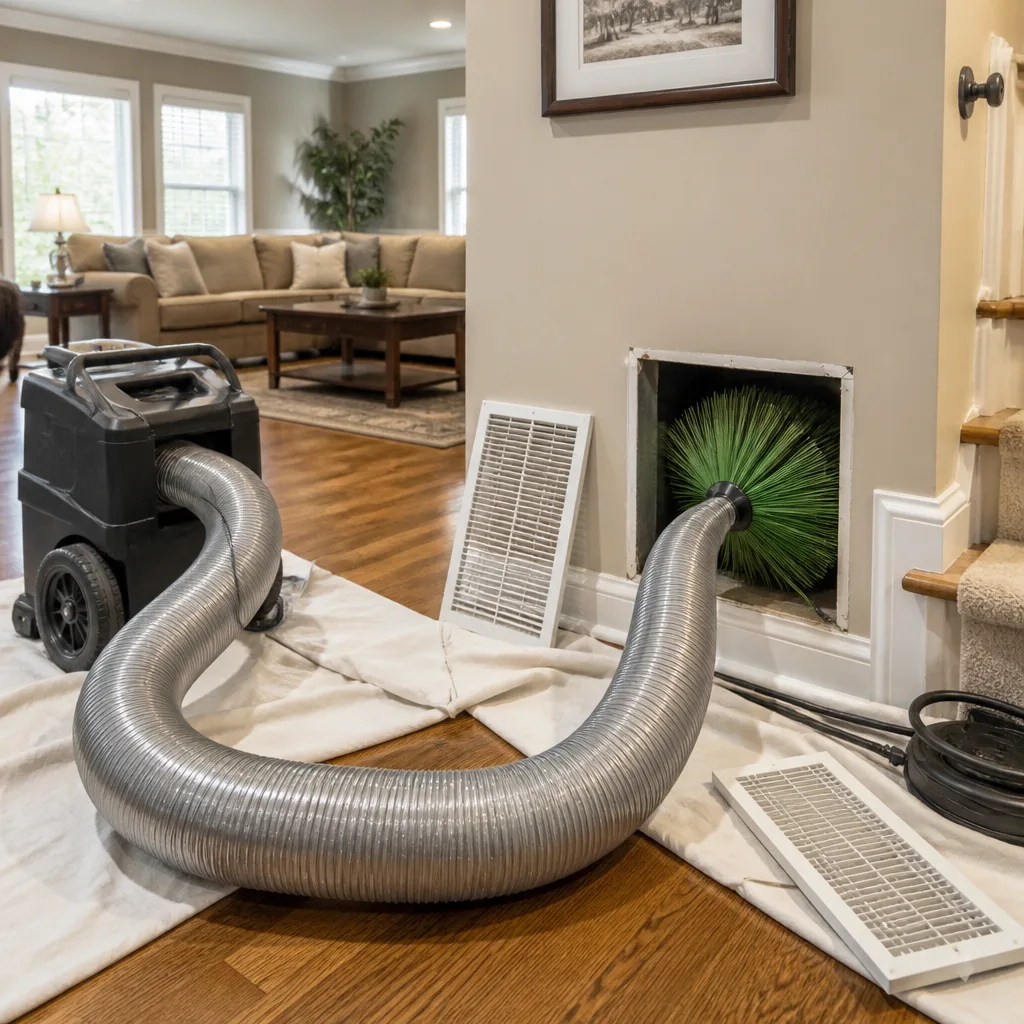
 Whole-home duct cleaning
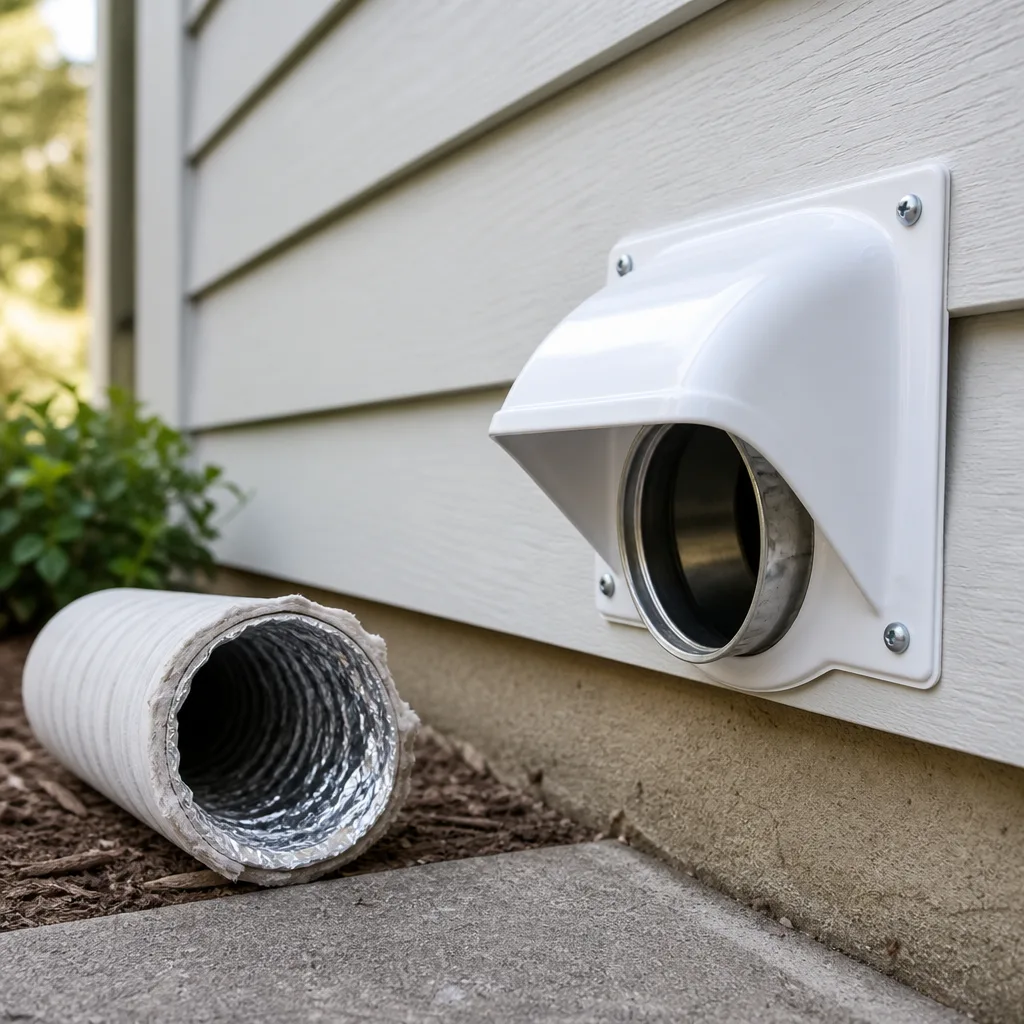 Dryer vent cleaning
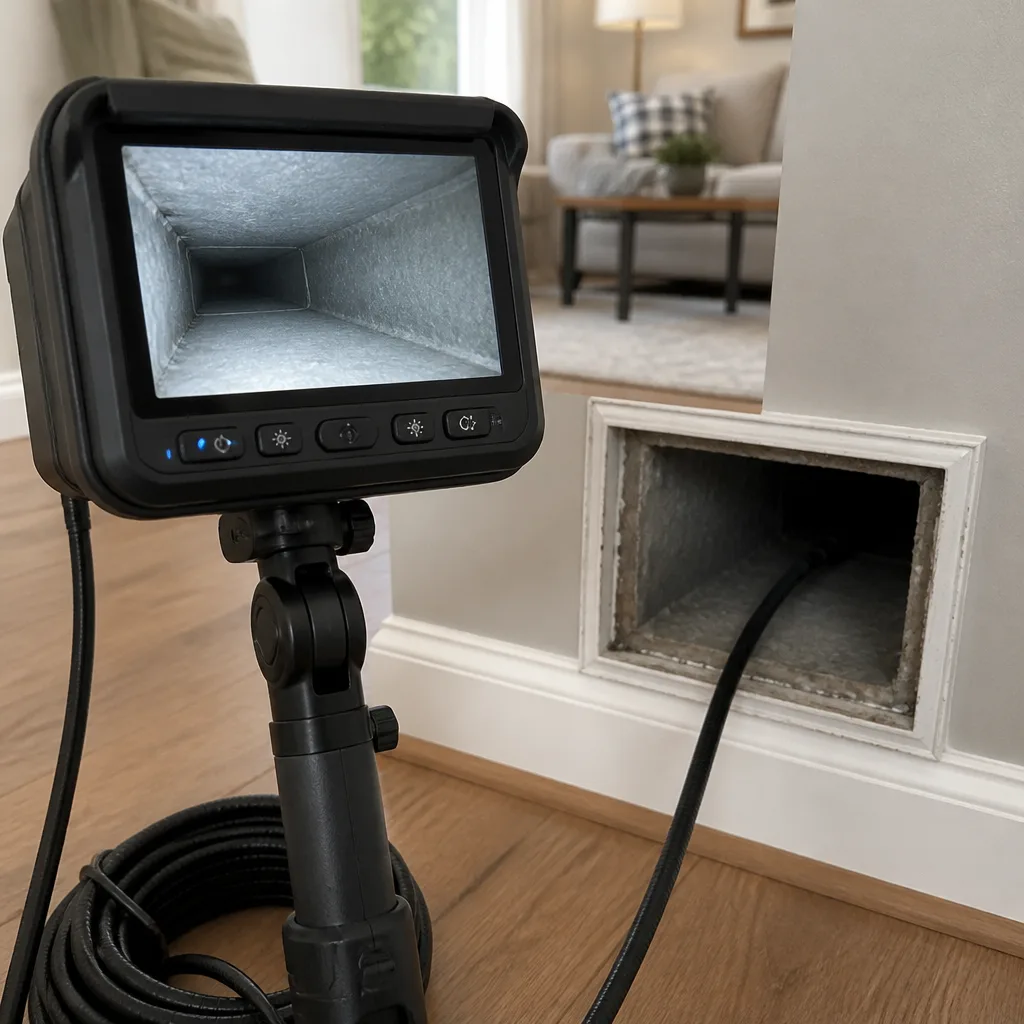 Camera inspection
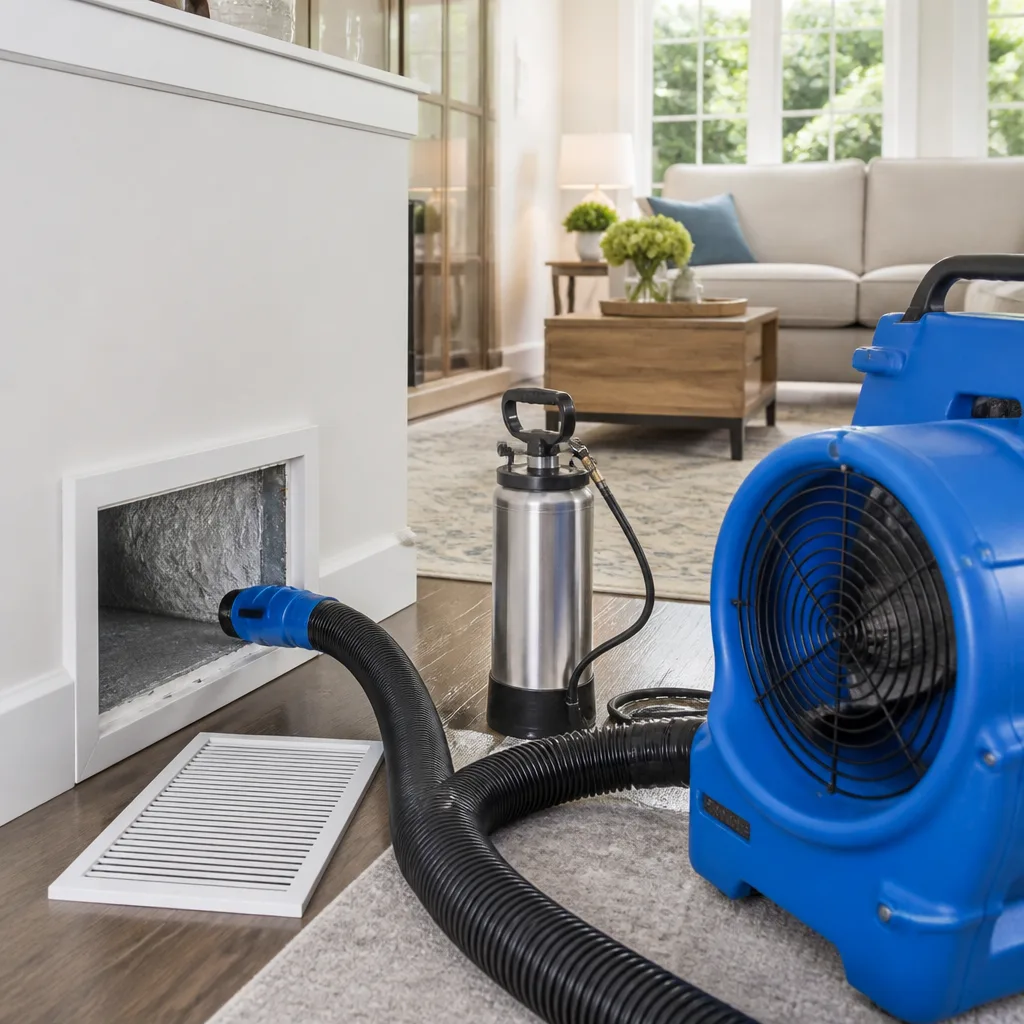 Sanitizing & deodorizing
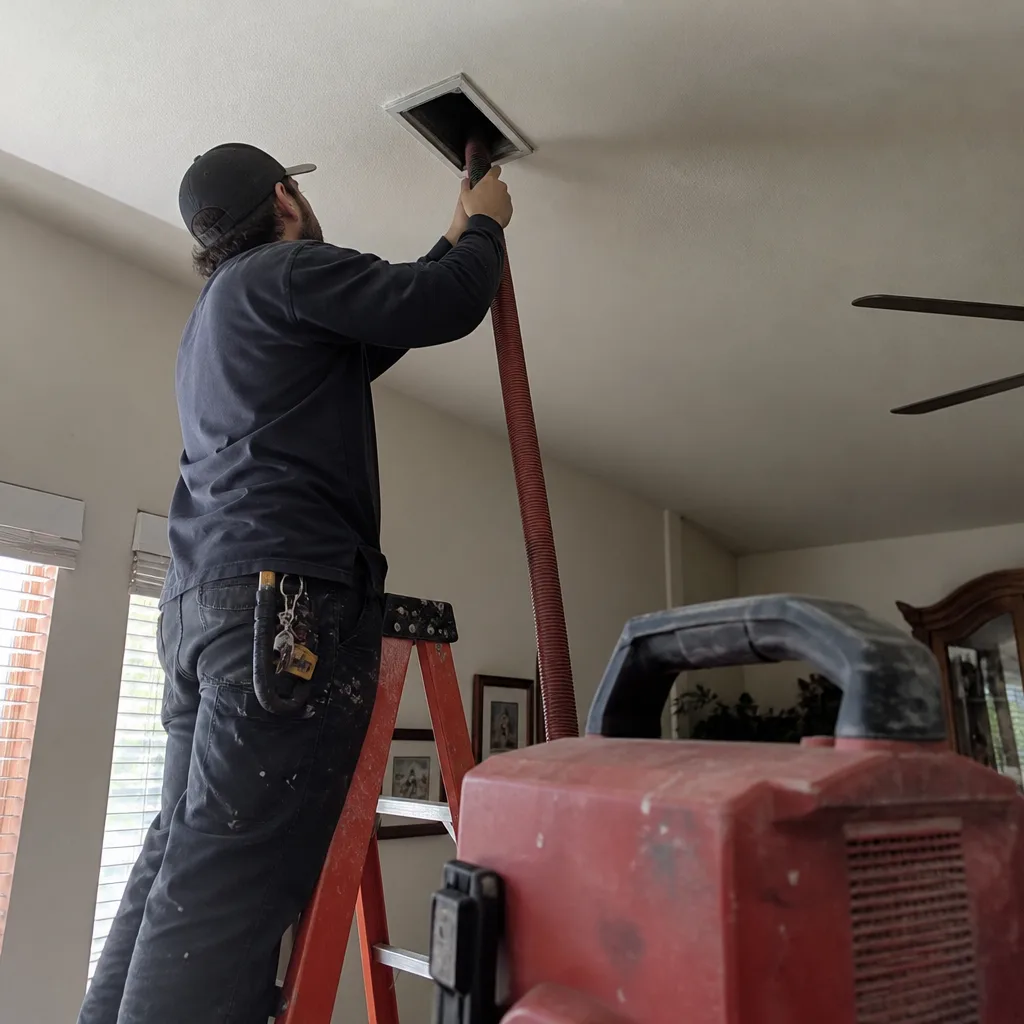
Whole-system duct and dryer vent check with before-and-after photos - you see exactly what came out of your vents
That "$99 whole-house special" is a bait ad - the real number appears once they are in your hallway, or the "clean" is a shop-vac at the register. We photograph the inside of your ducts before and after instead.
Honeywell Coil Cleaning: The Sacramento Owner’s Guide
We stock Honeywell-compatible coil cleaning equipment and service Sacramento homes with a written price before any work starts. A full Honeywell coil cleaning for a typical Sacramento home runs $290 – $630 depending on access and the specific Honeywell unit you have, and we can usually get it scheduled within the week. Most owners find us the same way: the system is running longer to hit the thermostat setting, the air smells faintly like a damp crawlspace, or the monthly energy bill has crept up without a good reason.
What they’re almost always looking at is a coil that has spent two or three Sacramento summers collecting dust, pet hair, and cottonwood. The coil sits in the air path all day, every day. When it gets coated, the system still works. It just works harder, longer, and louder. The good news is that a proper coil cleaning restores most of the lost efficiency in a single visit, without replacing the unit.
Which Honeywell Models This Applies To
Most Honeywell coil systems we service in Sacramento are part of whole-home air cleaning or ventilation setups paired with an existing HVAC system. The coil itself is usually an A-frame or slab-style evaporator coil mounted inside the air handler or furnace cabinet. Honeywell’s TrueCLEAN and UV surface-treatment line changes how the coil stays clean between service visits, but the physical coil is typically a Trane, Carrier, or Lennox component that Honeywell technology is mounted alongside. We stock compatible coil cleaning products for all three of those brands as well.
Here’s the compatibility gotcha that trips people up: the Honeywell name on the access panel doesn’t tell you the coil’s actual dimensions or fin spacing, which is what determines the right cleaning method and cost. You need the coil model number, usually printed on a small metal tag attached to the coil cabinet or accessible through the filter slot. If you can read that tag to us over the phone, we can often give you a firm price before we even schedule the visit. If the tag is gone or unreadable, we’ll confirm on site and honor the written quote we gave before starting.
Styles & brands we work with
Signs Your Honeywell Coil Cleaning Is Failing
- The system runs constantly but the house doesn’t feel right. A coated coil can’t transfer heat efficiently, so the air coming out of the registers is warmer than it should be in summer. The system compensates by running longer cycles, which shows up on your SMUD bill within a month or two.
- Airflow at the registers feels weak even with a new filter. The coil is downstream of the filter in most setups, so a clean filter doesn’t mean a clean coil. When the coil face loads up with Sacramento’s fine dust and pet dander, it chokes the air path the same way a clogged filter would.
- The air smells musty or “wet” when the system first kicks on. Sacramento’s summer humidity combined with a dirty coil creates a perfect spot for biofilm and mildew. The coil stays damp while the system runs, and whatever is growing there gets pushed into the house every cycle.
- You can see frost or ice on the copper lines outside the coil cabinet. A badly loaded coil restricts airflow enough that the refrigerant temperature drops below freezing. Ice on the lines or a frozen-looking cabinet is the late-stage warning sign that the coil needed attention months ago.
- Furnace short-cycles in winter. The same coil that cools in summer carries heat in winter. A dirty coil trips the high-limit safety switch, the burner shuts off early, and the house never quite reaches the thermostat setting. The fix is the same: clean the coil so air moves through it properly.
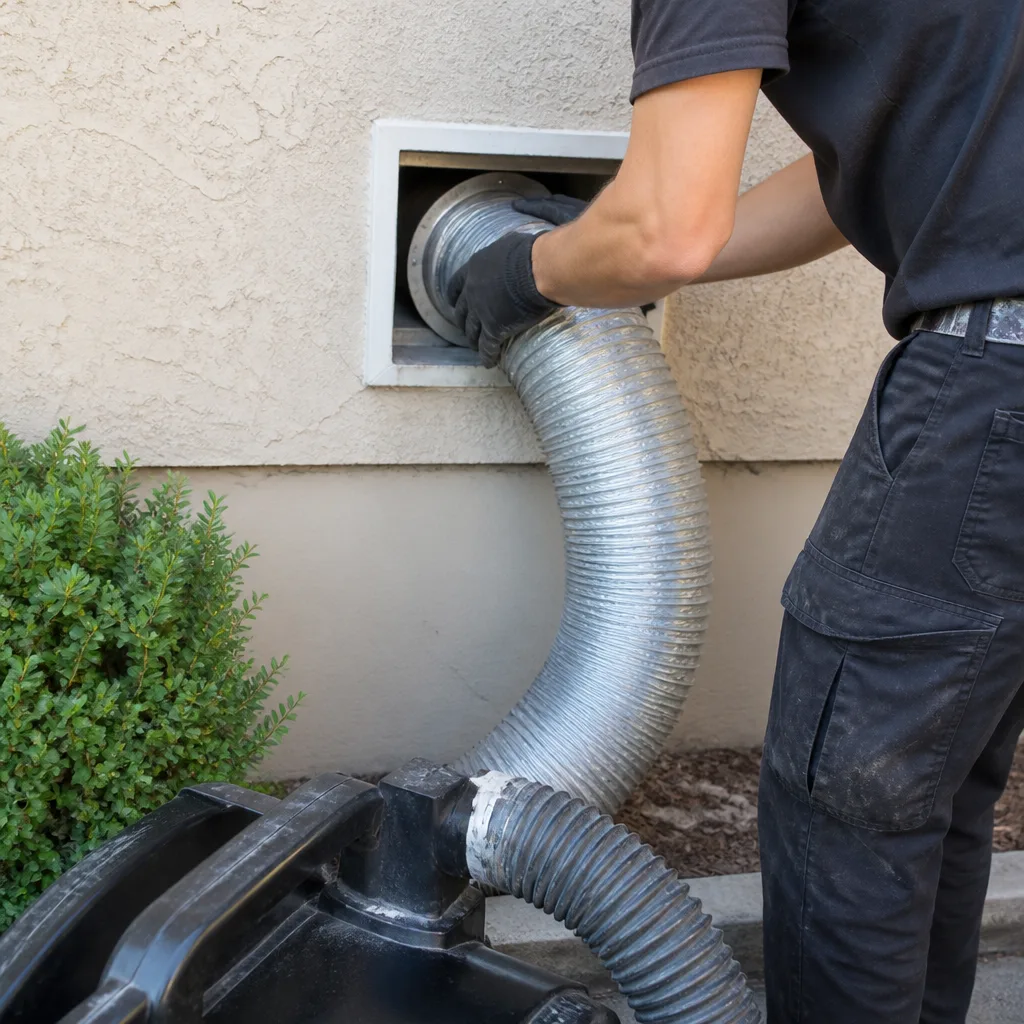
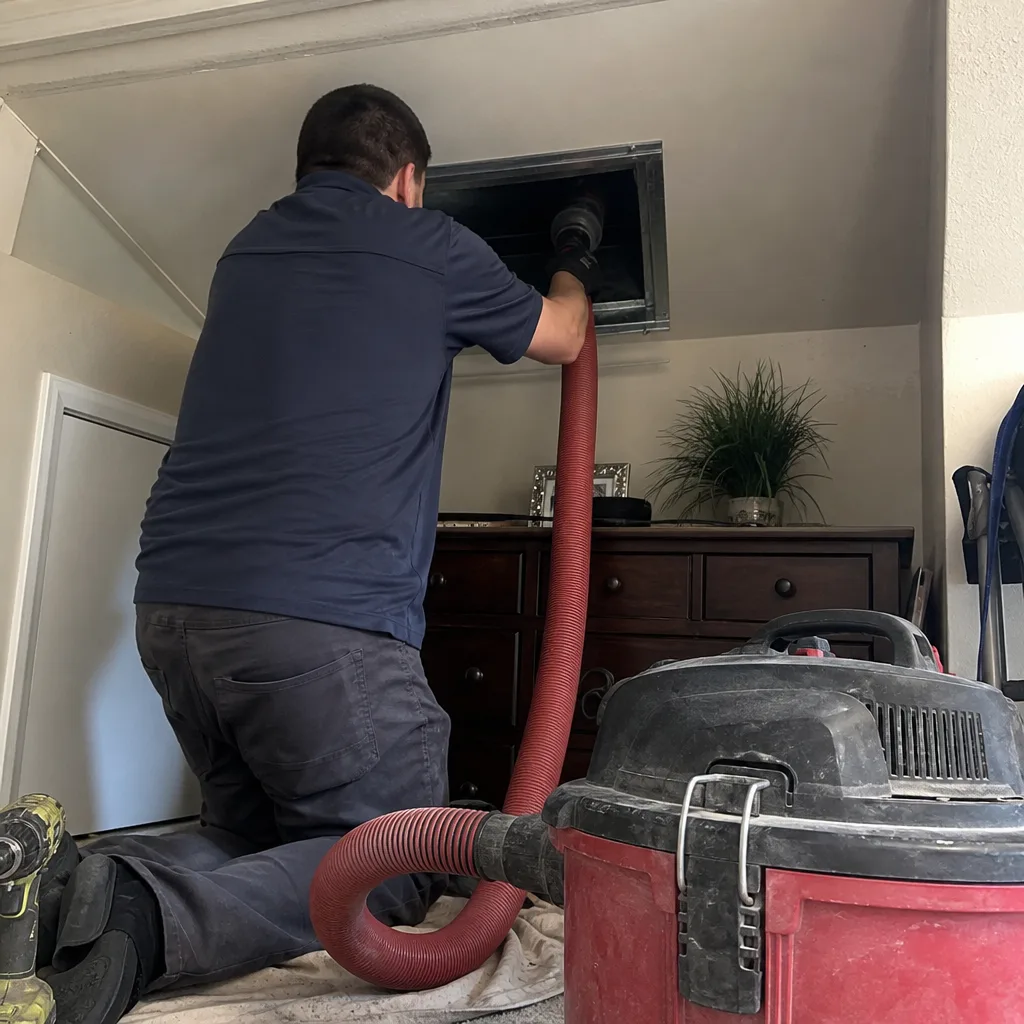
See the difference
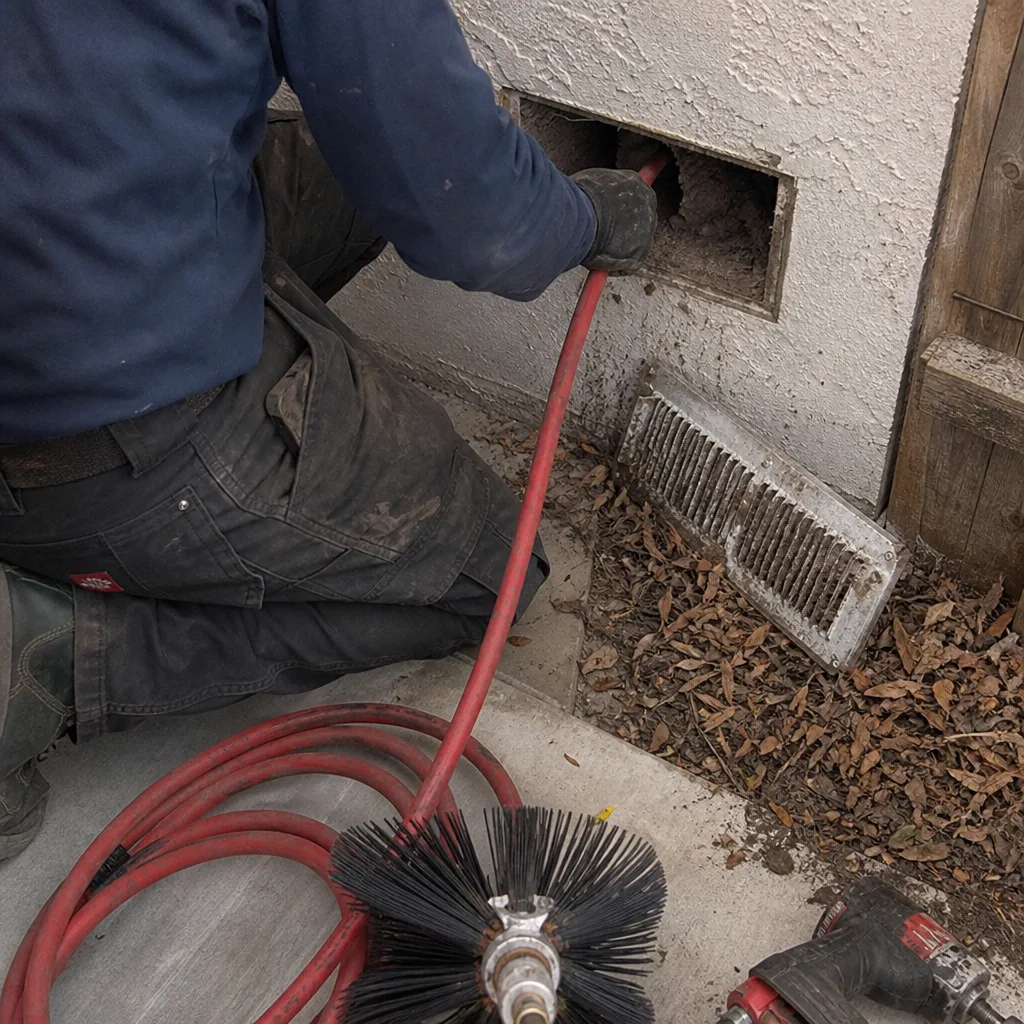 Before
 After
After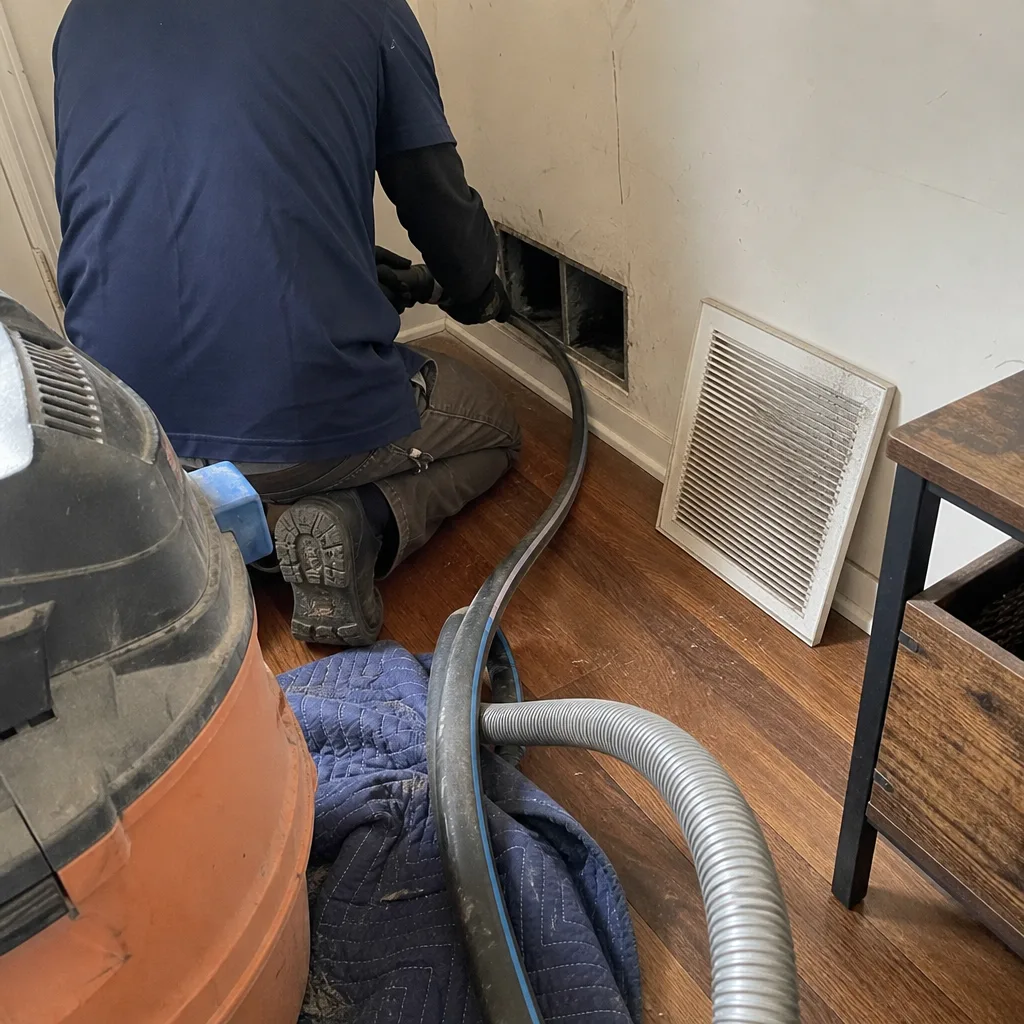 Before
 After
After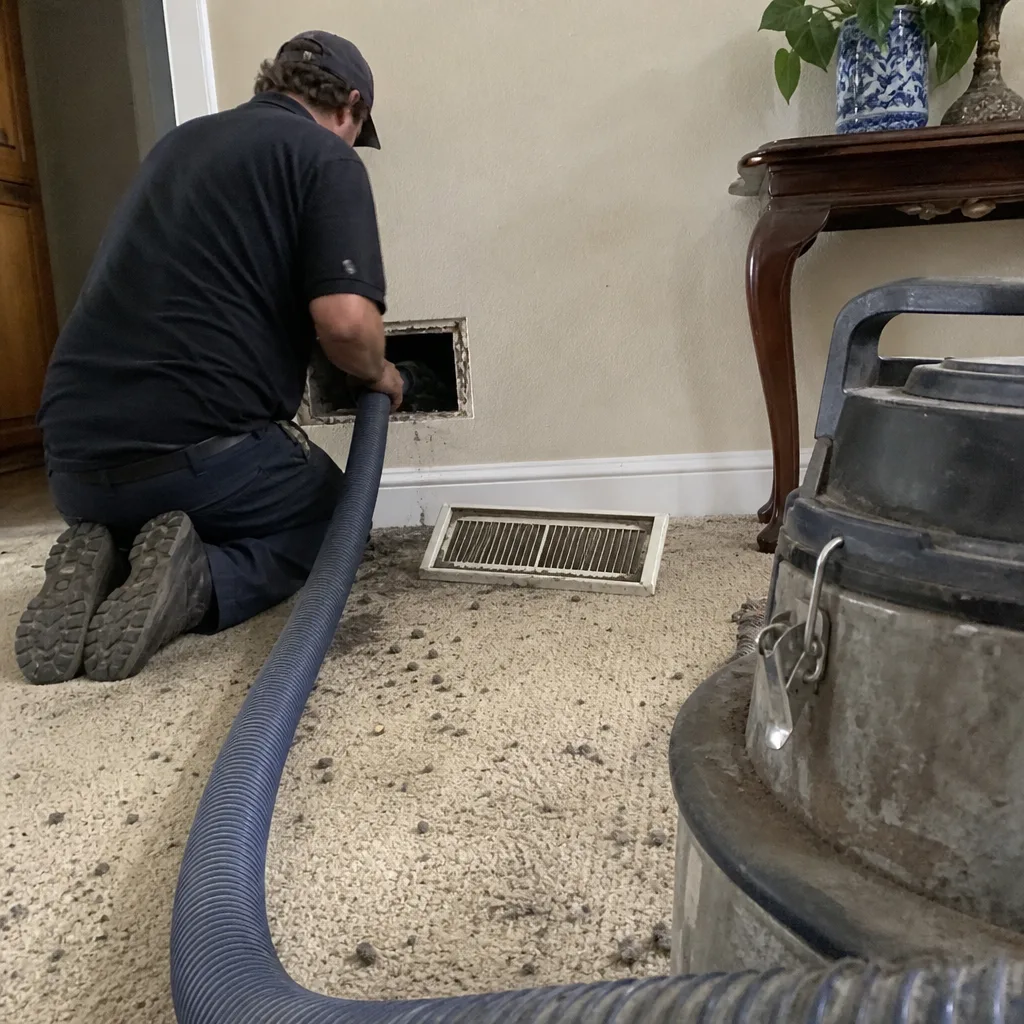 Before
 After
AfterReplacement Cost & What’s Included
For a straightforward Sacramento single-family home with reasonable coil access, expect to pay $290 – $450 for a full coil cleaning. If the coil is in a tight attic, a crawlspace, or mounted in a way that requires pulling the blower assembly to reach it, the range moves to $450 – $630. Older ranch-style houses near Land Park and Tahoe Park tend to have slab coils mounted right at the furnace, which usually land on the more accessible end of that range. Two-story homes with the air handler in the attic typically run higher because of the access time.
Your written quote covers the full cleaning: coil access, inspection for leaks or fin damage, a proper cleaning with professional-grade equipment, coil fin combing where needed, and reassembly. We use Nikro and Rotobrush equipment for the cleaning itself. If we find a refrigerant leak or a failed component during the inspection, we’ll stop and show you what we found before recommending anything further. You’ll know the price before we touch a single screw. Every job carries our 365-Day Done Right Promise: if it’s not right, we make it right.
DIY or Call Us?
You can safely check what you can see: pull the filter, shine a flashlight into the cabinet, and look for visible dust matting on the coil face. If the filter slot gives you a clear look at the coil and it’s coated, you have your answer. What you should not do is start spraying household cleaners or brushing the fins yourself. Evaporator coil fins are thin enough to fold with a fingertip, and a folded section of fins means less airflow forever, not just until the next cleaning. The wrong cleaner can also eat at the aluminum fins or leave residue that holds dust faster than before.
Most serious coil damage we see in Sacramento started as a well-intentioned DIY attempt. Paul Adeyemi learned this trade through the sheet metal and air distribution program at Los Angeles Trade-Technical College, and he will tell you the same thing he tells everyone who asks: the coil is the most fragile part of your HVAC system that you can reach with a screwdriver. We tell you what we’ll do, we tell you what it costs, and then we do the work. Call us at (279) 239-4171 and we’ll give you a straight answer about your Honeywell setup.
FAQs
Every two to three years for most Sacramento homes, and every year for homes with multiple pets or older houses near tree-heavy neighborhoods like East Sacramento and Curtis Park. Cottonwood season in particular loads coils fast. If you can’t remember the last time it was cleaned, it’s probably due. Call (279) 239-4171 for an honest assessment based on your specific house.
Cleaning is the repair in almost every case. A coil that’s coated with dust and pet hair rarely has anything mechanically wrong with it. Once the airflow is restored, it performs like new. We only recommend replacement if the coil has a refrigerant leak or severe corrosion, and we’ll show you the evidence before we suggest it.
Most coil cleanings take one to three hours depending on access and coil condition. A typical Land Park ranch takes about two hours. A two-story attic unit can take three. We work around nap schedules when you tell us to, and we protect the floors with shoe covers and drop cloths from the moment we walk in.
Yes. We carry professional-grade coil cleaning products and equipment on the truck, and we’re an independent service provider, not affiliated with Honeywell. That means we recommend what actually works for your coil, not what a brand rep told us to push. We also stock compatible parts for Lennox, Trane, and Carrier systems when a coil issue turns out to be something bigger. Call (279) 239-4171 and we’ll confirm what your system needs before we schedule.
Written by Paul Adeyemi, Owner, Mortons Air Duct Sacramento at Mortons Air Duct Sacramento, serving Sacramento and nearby areas.