
Last updated October 15, 2026
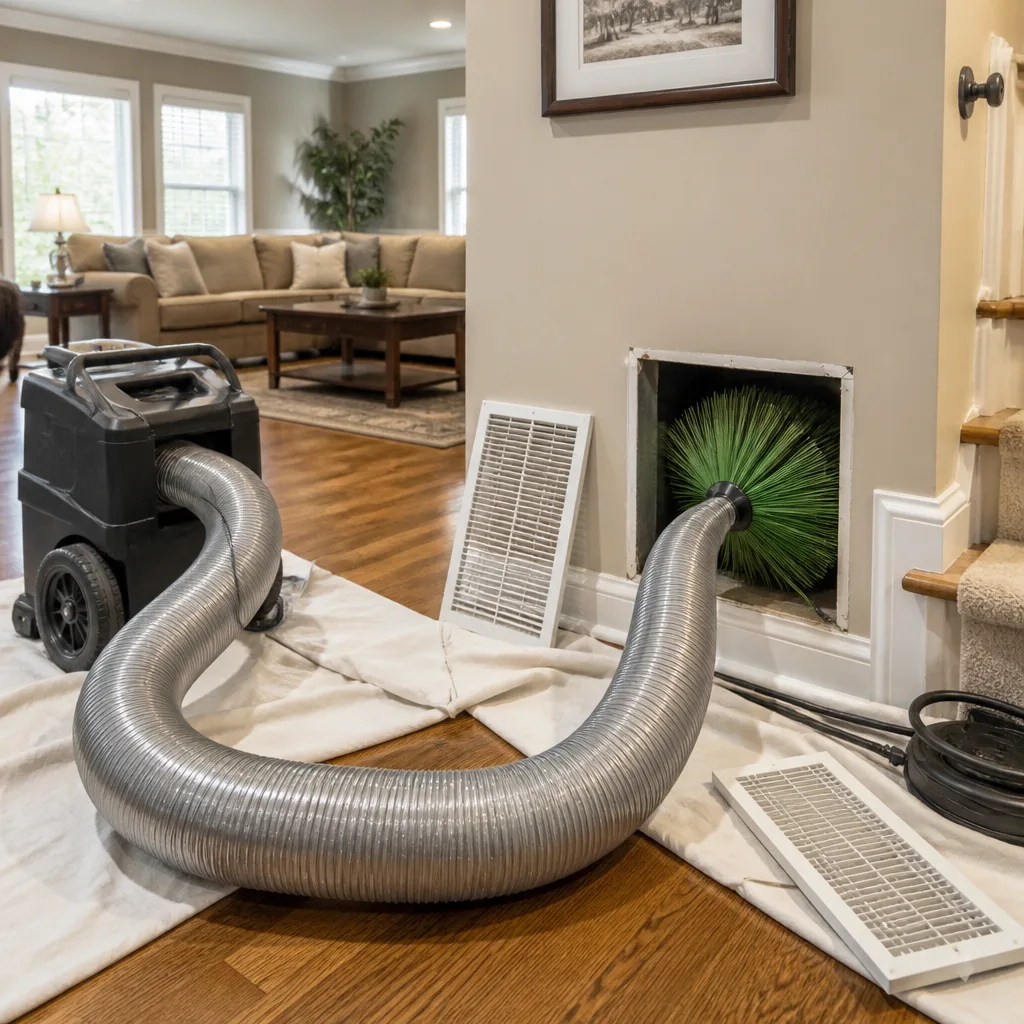 Whole-home duct cleaning
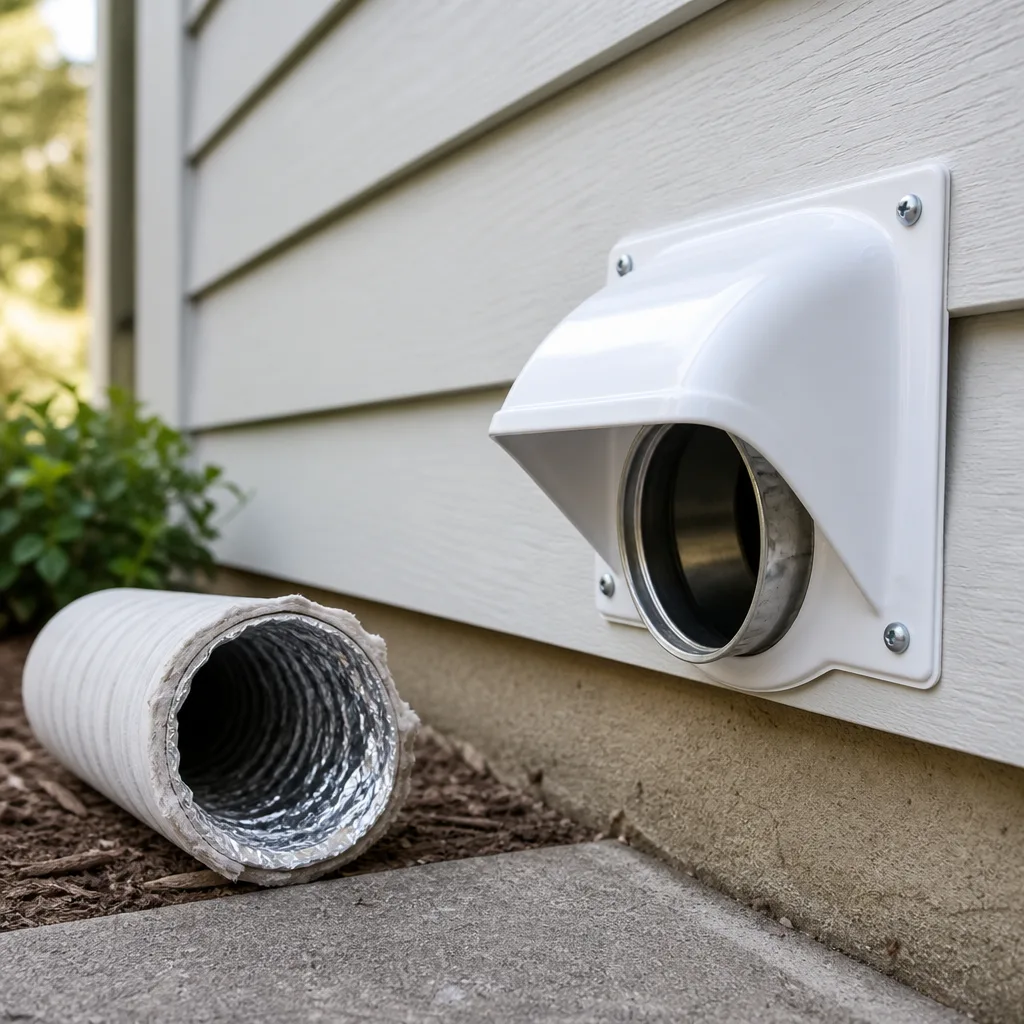 Dryer vent cleaning
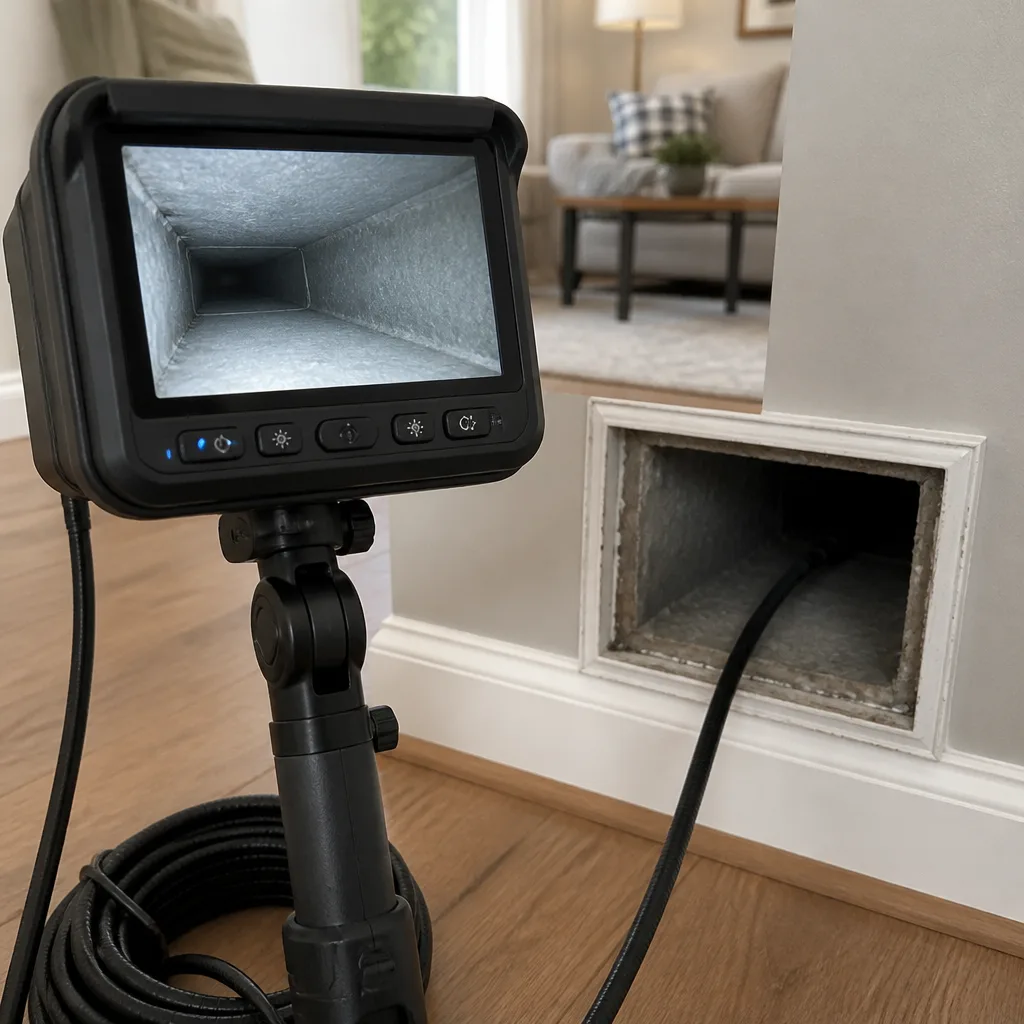 Camera inspection
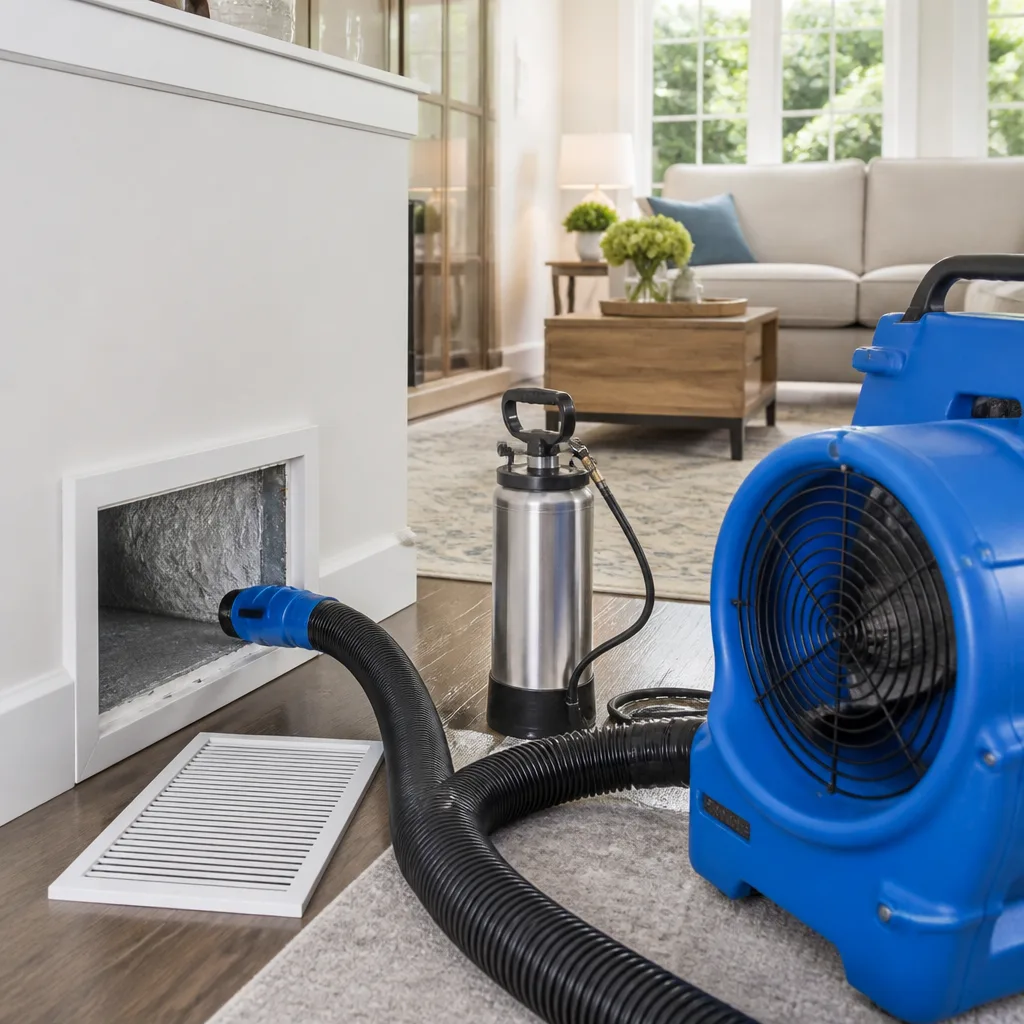 Sanitizing & deodorizing
Whole-system duct and dryer vent check with before-and-after photos - you see exactly what came out of your vents
That "$99 whole-house special" is a bait ad - the real number appears once they are in your hallway, or the "clean" is a shop-vac at the register. We photograph the inside of your ducts before and after instead.
Air Duct Cleaning Permits, Codes & Inspections in CA: What You Need to Know
Here’s a scenario we hear from Sacramento homeowners at least once a month: a technician arrives for a routine air duct cleaning, shines a flashlight into a return register, and says the duct is damaged. Then he offers to patch it right there, today, for a few hundred dollars. The homeowner says yes because it sounds convenient. What almost nobody realizes in that moment is that the technician may have just crossed a legal line that separates a no-permit cleaning job from a regulated repair that California says requires a specific contractor license, and possibly a permit. This guide walks you through exactly where that line sits, what Sacramento and Sacramento County codes actually say, how to verify anyone who proposes work beyond Air Duct Cleaning services, and what to do if unpermitted duct work has already happened in your home.
Quick Answer
Standard air duct cleaning in California does not require a permit, and neither does routine dryer vent cleaning. But the moment a contractor proposes to repair, replace, or modify duct work, or to perform mold remediation rather than a surface antimicrobial wipe, California law may require a C-20 HVAC contractor license, a local building permit, or both. In Sacramento, homeowners need to know that cleaning and repair are legally different activities even when the same technician offers both in the same visit. For The Complete Guide to Air Duct Cleaning in Sacramento, see our detailed breakdown.
Styles & brands we work with
Table of Contents
- Where California Draws the Line Between Cleaning and Repair
- The C-20 License: What It Covers and Why It Matters
- Sacramento City and County Code Requirements for Duct Work
- How to Verify a Contractor’s License on the CSLB Website
- Mold Treatment vs. Mold Remediation: A Critical Legal Distinction
- What to Do If Unpermitted Duct Work Has Already Been Done
- What a Duct Inspection Actually Covers in Sacramento
Where California Draws the Line Between Cleaning and Repair
The California Contractors State License Board (CSLB) regulates construction-related work through a licensing system, and air duct cleaning occupies an unusual space within it. Pure cleaning, meaning the removal of dust, debris, pet hair, and other accumulated material from the interior surfaces of ducts using vacuum and agitation equipment, does not require a contractor’s license in California. It is classified as maintenance, not construction. A homeowner can hire an unlicensed individual to clean ducts, and many cleaning-only companies operate this way legally.
Repair is different. If a technician removes a section of duct, patches a hole with sheet metal and mastic, replaces a crushed return duct, adds a new supply run, or modifies the duct configuration in any structural way, that work falls under the CSLB’s definition of HVAC contracting. California Business and Professions Code Section 7026.2 defines a contractor broadly to include anyone who “undertakes to or offers to undertake to, or purports to have the capacity to undertake to” perform work requiring a license. Duct repair and replacement sit squarely within the C-20 Warm-Air Heating, Ventilating and Air-Conditioning Contractor classification.
Here’s the practical problem: many air duct cleaning companies in Sacramento do not hold a C-20 license because they only clean. When one of their technicians spots a damaged section and offers to fix it, that technician is now proposing work the company is not licensed to perform. The homeowner, understandably, does not know the difference. We have seen this happen in neighborhoods across Sacramento, and the result is often a repair that fails, a warranty that does not exist, and no legal recourse through the CSLB because the person who did the work was never licensed to begin with. Learn to spot these issues early with our Air Duct Cleaning Warning Signs: A Sacramento Homeowner’s Reference Guide.
What about a permit? Here the line gets clearer. In most California jurisdictions, including Sacramento, replacing or repairing an existing duct section in a single-family home generally does not require a building permit if the work is like-for-like, meaning the technician removes a damaged 8-inch flex duct and installs a new 8-inch flex duct in the same location. A permit is typically triggered when the work alters the system, meaning new duct runs, changes to the air distribution design, relocation of registers, or modifications that affect the HVAC system’s airflow or load calculations. Those projects require a permit and usually a licensed C-20 contractor to pull it.
So the rule in Sacramento is this: cleaning, no license and no permit. Like-for-like replacement of a damaged duct section, C-20 license required but usually no permit. System modifications, new runs, or relocated registers, C-20 license and a permit from the City of Sacramento Building Division or Sacramento County Building Permits and Inspection Division, depending on your address.
The C-20 License: What It Covers and Why It Matters
The C-20 classification is the specific California contractor license for warm-air heating, ventilating, and air conditioning. To earn it, a contractor must pass a trade exam, demonstrate at least four years of journey-level experience in HVAC work, pass a law and business exam, post a contractor bond, and carry workers’ compensation insurance. The classification covers the fabrication, installation, replacement, and repair of heating and air conditioning systems, including the duct work that distributes air through a home.
Why does this matter for a homeowner in Sacramento who just wants their ducts cleaned? Because the licensing requirements exist to protect consumers from exactly the situation described at the top of this page. A licensed C-20 contractor has a verifiable identity on file with the CSLB, a bond that can be claimed against if the work is defective, and a legal obligation to stand behind the work. An unlicensed cleaning technician who does an on-the-spot duct repair has none of those protections. If the repair leaks conditioned air into the attic, the homeowner’s only recourse is a civil suit against an individual who may be difficult to find.
There’s a second layer. Sacramento has a substantial housing stock built between the 1950s and 1980s, and many of those homes have rigid metal ducts that are now 40 to 70 years old. We regularly see rust, separated seams, and disconnected joints in these systems. Repairing them properly often requires sheet metal work, which is squarely C-20 territory. A cleaning technician with professional cleaning equipment (we use Rotobrush and Nikro machines in our own work) can clean those old ducts thoroughly, but the moment a repair is needed, a different credential applies.
One more consideration: homeowners insurance. Many policies in California exclude coverage for damage caused by unlicensed contractors. If an unlicensed technician’s repair fails and water from a leaking duct damages a ceiling, the insurance company may deny the claim because the homeowner authorized unlicensed work. This is not hypothetical. It happens regularly, and Sacramento’s hot, dry summers only accelerate the deterioration of old duct systems, making failures more common here than in coastal climates.
Sacramento City and County Code Requirements for Duct Work
The City of Sacramento and Sacramento County both adopt the California Building Standards Code (Title 24), which incorporates the California Mechanical Code. Those codes govern duct installation, materials, sizing, and insulation requirements for residential HVAC systems. A homeowner does not need to memorize chapter and verse, but understanding the broad strokes helps when a contractor starts talking about what your system needs.
Here are the key provisions that affect duct work in existing Sacramento homes:
- Duct material standards: All duct work installed or replaced in Sacramento must comply with the California Mechanical Code’s material standards. Flex duct, the silver insulated tubing common in attics, must be listed and labeled, and installations must follow the manufacturer’s instructions for support spacing and sag limits.
- Sealing requirements: California’s Title 24 energy standards require that all new and replaced duct work be sealed with mastic or approved tape, not standard cloth duct tape. The state also requires duct leakage testing for new installations, though like-for-like replacements in existing homes typically do not trigger a full HERS test.
- Insulation levels: Ducts in unconditioned spaces, which in Sacramento means attics that routinely hit 130 degrees in July and August, must meet minimum insulation requirements. R-8 is the current standard for new duct work in most California climate zones.
- Access and clearances: The code requires adequate working space around air handling equipment and registers. Some older Sacramento homes have furnaces shoehorned into closets with insufficient clearance, and a legitimate repair or replacement project may require bringing the installation up to current clearance standards.
For a homeowner, the practical takeaway is this: if a contractor proposes duct work and says no permit is needed, they may be right for a simple like-for-like replacement. But if they say no permit is ever needed for duct work, that’s a red flag. The City of Sacramento Building Division has a public counter where anyone can ask whether a specific project requires a permit, and the staff there are generally helpful with exactly this kind of question. Sacramento County operates separately for unincorporated areas including Arden-Arcade, Carmichael, and Fair Oaks.
How to Verify a Contractor’s License on the CSLB Website
This section is the single most practical piece of information in this guide, and it takes less than five minutes. Before authorizing any work that goes beyond cleaning, verify the contractor’s license number on the California Contractors State License Board website. Here’s the step-by-step process:
- Go to cslb.ca.gov and click “Check a License” or “License Check” on the home page.
- Enter the contractor’s license number. Every legitimate C-20 contractor in California displays this number on their vehicle, their website, and their estimates. It is typically six digits. If a contractor cannot or will not provide a license number before doing repair or replacement work, that is the end of the conversation.
- Review the license details. The CSLB page will show the business name, the license classification (look for C-20), the license status (active, inactive, suspended, or revoked), the issue and expiration dates, and any current bonds.
- Check for complaints and disciplinary actions. The same page shows whether the CSLB has taken any formal action against the license. A history of complaints does not automatically mean a contractor is bad, but it is information you should have.
- Confirm the name matches. The person or company that appears on the license must match the person or company asking you to sign a contract. Licenses are not transferable. If a technician gives you a license number that belongs to someone else, walk away.
We tell every Sacramento homeowner we visit the same thing: check the license for any repair or replacement work, every time. It takes five minutes, it’s free, and it protects your home and your insurance coverage. For cleaning-only work, a license is not legally required, but in our experience, reputable Sacramento duct cleaning companies will still be transparent about their business structure, their insurance, and their technicians’ background checks.
Mold Treatment vs. Mold Remediation: A Critical Legal Distinction
Mold is one of the most commonly misunderstood issues in the air duct industry, and the legal distinctions matter enormously. In California, there is a meaningful difference between an antimicrobial wipe applied to the interior of a duct during a cleaning, and mold remediation, which is a specific, regulated activity with its own requirements.
During a standard air duct cleaning in Sacramento, a technician may apply an EPA-registered antimicrobial product to the interior surfaces of the ducts to prevent microbial growth. This is considered part of the cleaning process. The products used, such as those distributed by Abatement Technologies, are designed for this application and are commonly used by professional cleaning companies. No permit, no specialized mold license, and no separate inspection is required for a surface antimicrobial application during a cleaning.
Mold remediation is different. If visible mold growth has penetrated duct insulation, spread to building materials, or contaminated more than a small surface area (California references the 10-square-foot threshold used in many professional standards), remediation may require a contractor with specific certifications, containment protocols, negative air pressure equipment, and potentially a permit depending on the scope. California’s SB 655, originally enacted as the Toxic Mold Protection Act and later updated, established disclosure obligations for mold in residential real estate transactions. The state also recognizes industry standards from the Institute of Inspection, Cleaning and Restoration Certification (IICRC), and the IICRC S520 standard is the reference document for professional mold remediation in California.
What does a Sacramento homeowner do with this information? If a cleaning technician says “you have mold in your ducts” and offers to spray something, ask a simple question: is this an antimicrobial surface treatment as part of the cleaning, or is this mold remediation? If the answer is anything other than a clear “surface treatment,” the scope of work has shifted. A legitimate C-20 contractor or a certified remediation specialist should be brought in for an assessment. We have seen homes in Sacramento where black staining in a duct turned out to be years of candle soot, and we have seen homes where a small patch of actual mold indicated a moisture problem that required more than any cleaning could address. The distinction matters, and any honest professional will tell a homeowner when a problem falls outside their scope.
What to Do If Unpermitted Duct Work Has Already Been Done
This is the section nobody wants to read, but it is one of the most important. If a homeowner in Sacramento discovers that a previous technician performed duct repairs or modifications without the required license or permit, the situation is not hopeless, and there is a clear sequence of steps to take. Here’s the practical path forward:
- Document everything. Take photos of the work as it exists now. Find any invoices, receipts, text messages, or emails from the contractor. Note the date the work was performed and the technician’s name if you have it. This documentation is essential whether the next step is a CSLB complaint, an insurance claim, or a repair by a licensed contractor.
- Determine what was actually done. If you are not sure whether the work was cleaning, like-for-like replacement, or a system modification, get clarity. A licensed C-20 contractor can perform an inspection and tell you what was changed and whether it complies with current code. This inspection typically costs a few hundred dollars and provides the factual basis for everything that follows.
- File a CSLB complaint if the work required a license and none existed. The CSLB investigates unlicensed contracting and can issue citations and fines. The complaint process is online, and while it does not compensate the homeowner directly, it creates a formal record and can protect other Sacramento homeowners from the same contractor.
- Consider a code enforcement conversation with the local building department. The City of Sacramento Building Division and Sacramento County Building Permits and Inspection Division both have processes for addressing unpermitted work. In many cases, a homeowner can apply for an as-built permit after the fact. This typically requires an inspection by the building department and potentially a licensed contractor to correct any deficiencies the inspector identifies. The process is manageable, especially for duct work, which is among the less complex types of unpermitted work to bring into compliance.
- Have the work corrected by a licensed professional if needed. If the inspection reveals that the unpermitted work was done poorly, the fix is to have it redone properly. A licensed C-20 contractor in Sacramento will pull any required permit, complete the work to code, and provide the documentation that protects the homeowner for future insurance claims and resale.
One honest note from our experience in Sacramento: unpermitted duct work is rarely a disaster. Most of it is simple like-for-like replacement done by someone who skipped the licensing requirement, and the work itself may be fine. But “probably fine” is not a foundation for a home’s HVAC system. The verification steps above give a homeowner certainty, and certainty is what allows a family to move on.
What a Duct Inspection Actually Covers in Sacramento
A thorough duct inspection in a Sacramento home is more than a visual check of the registers. It is a systematic evaluation of the entire air distribution system, and a competent inspection will cover these elements:
- Interior duct condition: A camera is inserted into the ducts to look for dust accumulation, debris, pest droppings, and moisture. This is the part of the inspection most relevant to cleaning.
- Duct integrity: Every accessible section of duct is checked for disconnected joints, crushed flex duct, holes, and separated seams. Sacramento’s attics are brutal on flex duct, and we routinely find sections that have been crushed by boxes stored in the attic or separated by the repeated expansion and contraction of summer heat.
- Supply and return balance: The number and location of supply registers and return grilles is noted, along with obvious signs of imbalance like doors that slam when the HVAC system turns on.
- Insulation condition: Duct insulation is checked for compression, damage, and missing sections. In Sacramento’s summer climate, poorly insulated ducts are a significant source of energy loss and can cause condensation problems.
- Filter assessment: The condition of the filter and the filter housing is noted, along with whether the system could benefit from a higher-efficiency filter. We carry Honeywell and Aprilaire filtration products in our own work and can discuss options with homeowners.
- Visible moisture and mold indicators: Any staining, corrosion, or visible growth is documented. The inspector should be able to distinguish between dust, soot, rust, and mold, and should recommend appropriate testing when the distinction is unclear.
Many Sacramento homeowners schedule a duct inspection before buying a home, after a renovation, or when they notice unexplained dust levels or rising energy bills. A proper inspection gives the homeowner a clear picture of what the system needs, and just as importantly, what it does not need. That last point matters because the air duct cleaning industry has a well-earned reputation for upsells. An inspection from a company that only cleans, not one that profits from repairs, is more likely to give an honest read on the system’s condition.
If you are researching air duct cleaning in Sacramento, the inspection is the starting point. A company that wants to give you a price before looking at your system is guessing, and a company that wants to charge you before looking at your system is worse.
How Air Duct Cleaning Works in Sacramento: What Actually Happens
For homeowners who have never had their ducts cleaned, the process is straightforward, and understanding it helps you evaluate any company you are considering. A professional cleaning in a Sacramento home typically follows this sequence:
- Walkthrough and documentation. The technician walks through the home, notes the layout of the system, counts registers and returns, and identifies any access limitations. Before any work begins, the floors in the work path are protected. Our crews use shoe covers and drop cloths on every visit, and we note the location of pets and sleeping children so we can adjust our approach.
- System access. The technician creates access points at the main supply and return plenums. This is typically done at a register or by cutting a small access hole in the duct that is sealed with a removable cap after the job.
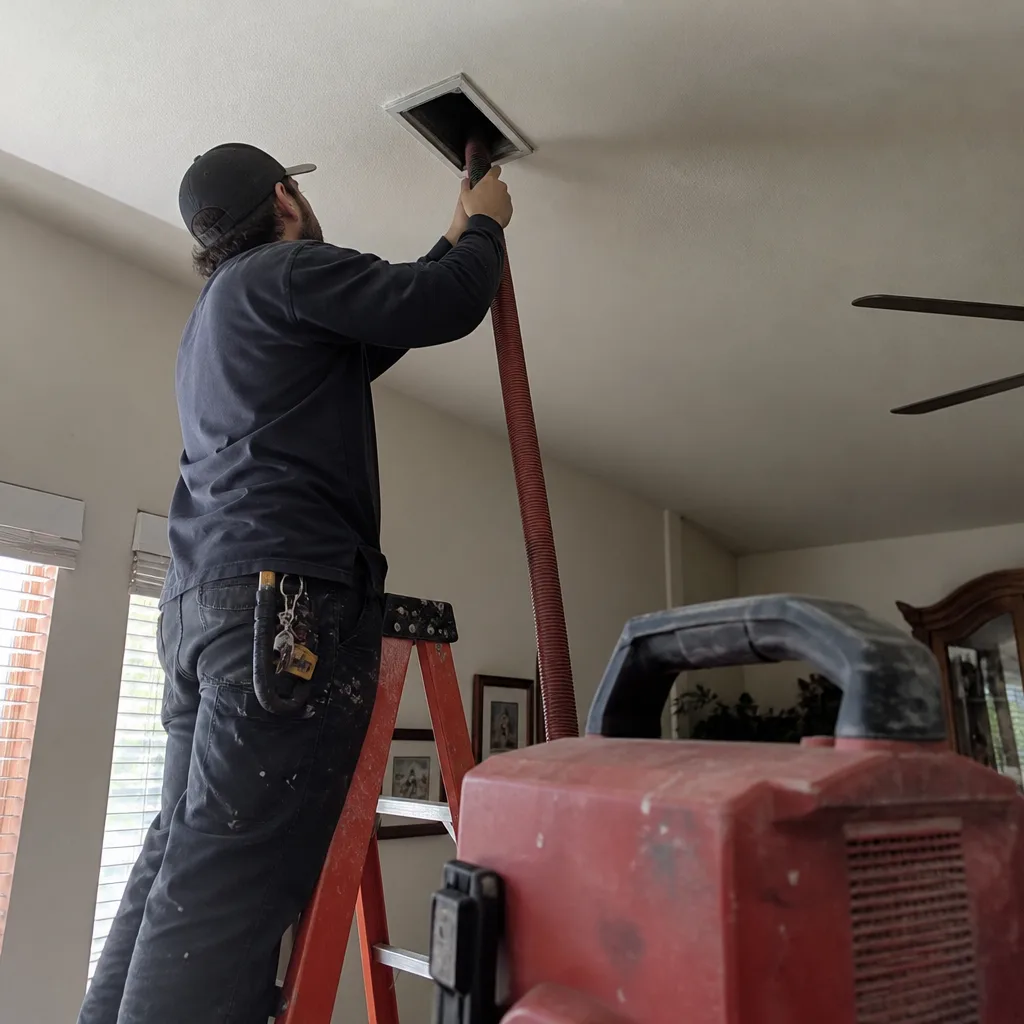
- Negative pressure setup. A large vacuum unit is connected to the system to create negative pressure. This ensures that dust and debris loosened during the cleaning is pulled into the vacuum rather than blown into the living space. We use professional-grade equipment from Rotobrush and Nikro for this work, not the entry-level portable units that some cleaning companies use.
- Agitation and dislodging. Rotating brushes, compressed air tools, or a combination of both are run through the ducts to dislodge dust, pet hair, and debris from the interior surfaces. The negative pressure from the vacuum captures the loosened material. In homes with pets, which describes most of Sacramento, the volume of hair that comes out of a duct system after a proper cleaning is remarkable.
- Register and grille cleaning. Every supply register and return grille is removed, cleaned, and reinstalled. This is a step that some companies skip, but dirty registers re-contaminate clean ducts within weeks.
- Post-cleaning verification. A camera is run through the ducts again so the technician and homeowner can see the results. A detailed report is provided, and in our case, a photo of the clean-up before the crew leaves, confirming the home is left the way we found it.
The entire process for a typical Sacramento single-family home takes three to six hours depending on the size of the system, the number of returns, and the level of accumulation. The cost in the Sacramento market typically runs from $450 to $800 for a standard whole-system cleaning, though larger homes with complex systems or multiple HVAC units can exceed that range. The price should be provided in writing before the work begins, not estimated after the technician arrives.
What Does Air Duct Cleaning Cost in Sacramento, and Why Do Quotes Vary So Much?
Sacramento homeowners regularly ask us why one company quotes $99 and another quotes $600 for what appears to be the same service, and the answer matters. The air duct cleaning industry has a reputation problem, and much of it traces back to exactly this pricing gap. Here is what’s actually going on.
The $99 duct cleaning offer, which appears on postcards and social media ads throughout Sacramento, is not a whole-system cleaning. It is typically a teaser rate for a limited number of vents, usually 8 to 10, in a home that may have 15 to 25. Once the technician is in the home, the per-vent charges for the remaining registers, the “recommended” sanitizing treatment, and the “required” filter upgrade bring the total far above the advertised price. The homeowner has already taken time off work and feels the social pressure of a technician standing in the hallway, so they authorize the work. This is the bait-and-switch that has burned Sacramento families and given the entire industry a bad reputation.
A legitimate whole-system cleaning in Sacramento is priced by the system, not by the vent. The company provides a written price before any work starts, and that price does not change based on what the technician “finds” once they’re inside. Here are realistic whole-system price ranges for the Sacramento market:
| Service | Typical Sacramento Price Range | Notes |
|---|---|---|
| Standard whole-system air duct cleaning (single HVAC system, up to 2,500 sq ft home) | $450 – $650 | One flat price per system, includes all supply and return ducts and registers |
| Whole-system cleaning with sanitizing treatment | $550 – $800 | EPA-registered antimicrobial applied to interior duct surfaces |
| Large home or two HVAC systems | $700 – $1,100 | Two systems are priced as two cleaning jobs |
| Dryer vent cleaning (as an add-on during a duct cleaning visit) | $100 – $200 | Often discounted when bundled with duct cleaning |
| Camera inspection only | $99 – $200 | Sometimes credited toward cleaning if the work is booked |
In our own work at Morton’s Air Duct Cleaning, every job is priced per system, agreed in writing before any equipment comes out of the van. The price you sign is the price you pay. That is the entire model, and it is also the Cedarwell Care Promise that applies to every job we do in Sacramento. No per-vent pricing, no on-site upsells, no “while we’re here” additions.
If you’re comparing quotes in Sacramento, ask two questions before you book: Is this price per vent or per system? And is this the total I will pay or an estimate that may change? A company that answers those questions clearly and in writing is almost always a safer choice than the one that hedges.
Why Sacramento’s Climate Makes Duct Maintenance Different
Sacramento’s climate creates specific conditions for residential duct systems, and understanding those conditions helps homeowners make better maintenance decisions. Three factors matter here more than anywhere else in California: the summer heat, the winter inversion season, and the persistent dust from the Central Valley.
Summer attic temperatures in Sacramento regularly exceed 130 degrees. A duct system is essentially a series of tubes running through a 130-degree space, carrying 55-degree air. The insulation on flex duct degrades under that heat load over time. The R-value drops. The outer jacket becomes brittle. More importantly, the repeated expansion and contraction of metal duct components through Sacramento’s large day-night temperature swings, especially in spring and fall, gradually loosens joints and creates air leaks. A duct system in Sacramento endures more thermal stress in a year than a duct system in San Francisco endures in a decade.
Winter brings inversion layers that trap particulates over the Sacramento Valley. Homes in the region accumulate dust at a higher rate than most California cities, and much of that dust ends up in the duct system. Add the pollen from Sacramento’s famous trees, the pet hair from the region’s famously animal-loving households, and the occasional smoke from wildfire season, and you have a filtration system that works harder here than almost anywhere in the state.
What this means practically: ducts in Sacramento need attention more frequently than the industry-average recommendation of every 5 to 7 years. We tell homeowners throughout the Sacramento area, from Natomas to Land Park to Elk Grove, that a 3 to 5 year interval is more realistic for most households here, especially those with pets or allergy sufferers. The climate simply puts more load on the system.
If you’re wondering whether your home fits that pattern, our Mortons Air Duct Sacramento home page covers the full scope of our cleaning services, and a conversation with our team is always free. We would rather tell you that your ducts do not need cleaning than sell you a service you do not need. That is how a company should operate in a market like Sacramento, where reputation travels fast.
See the difference
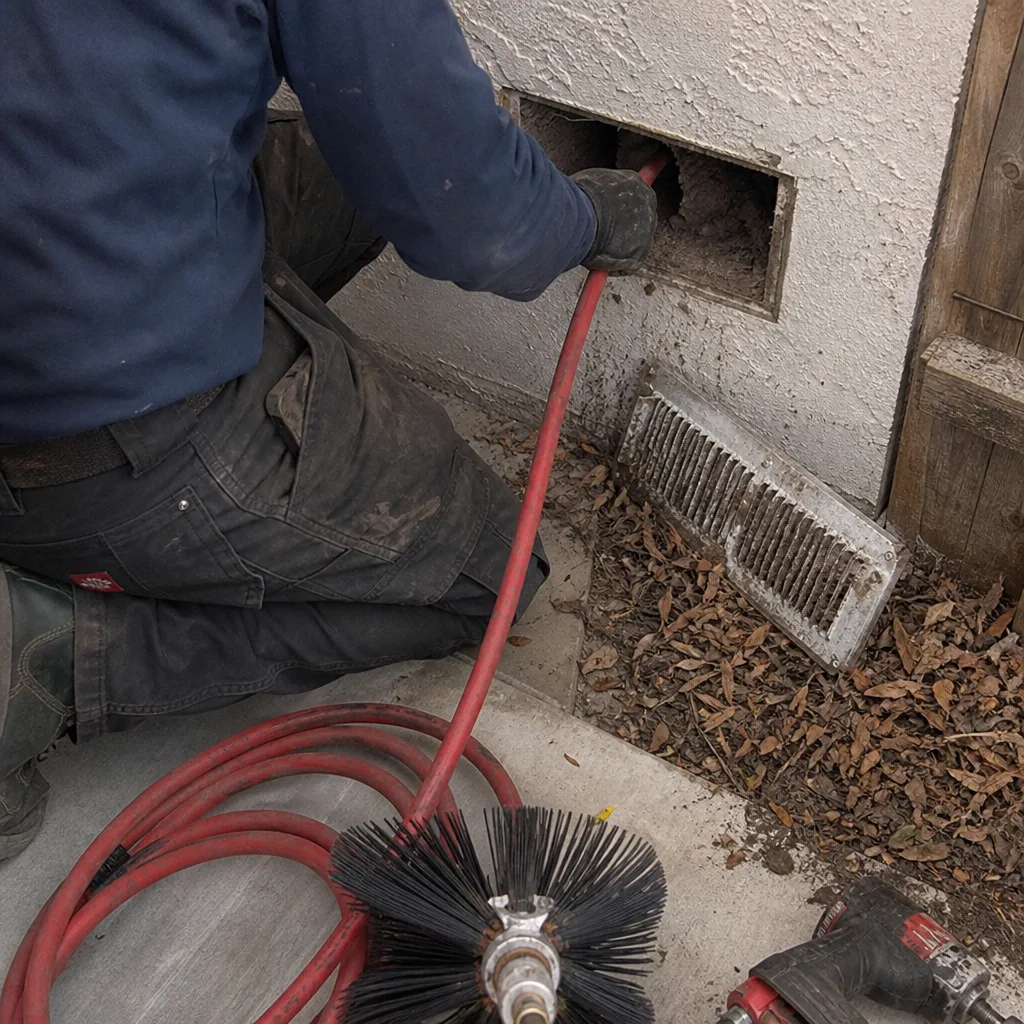 Before
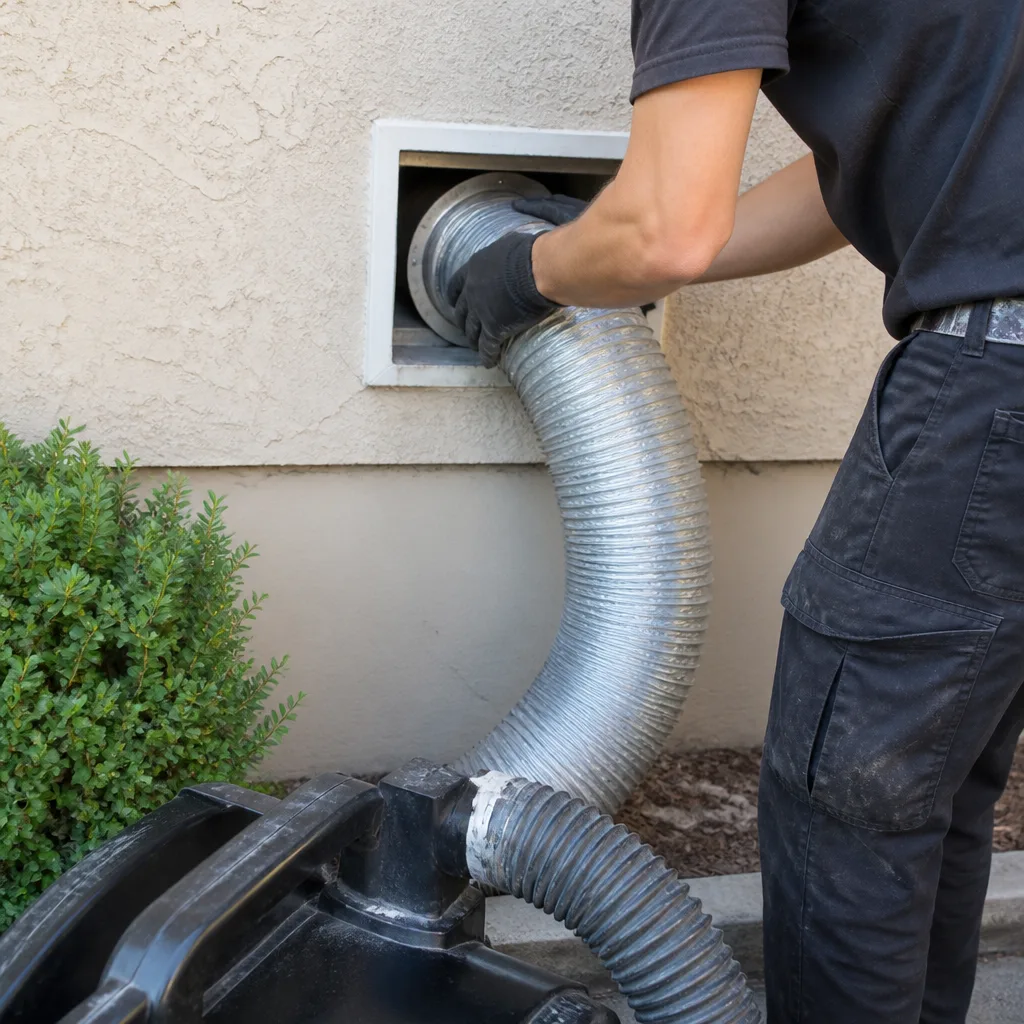 After
After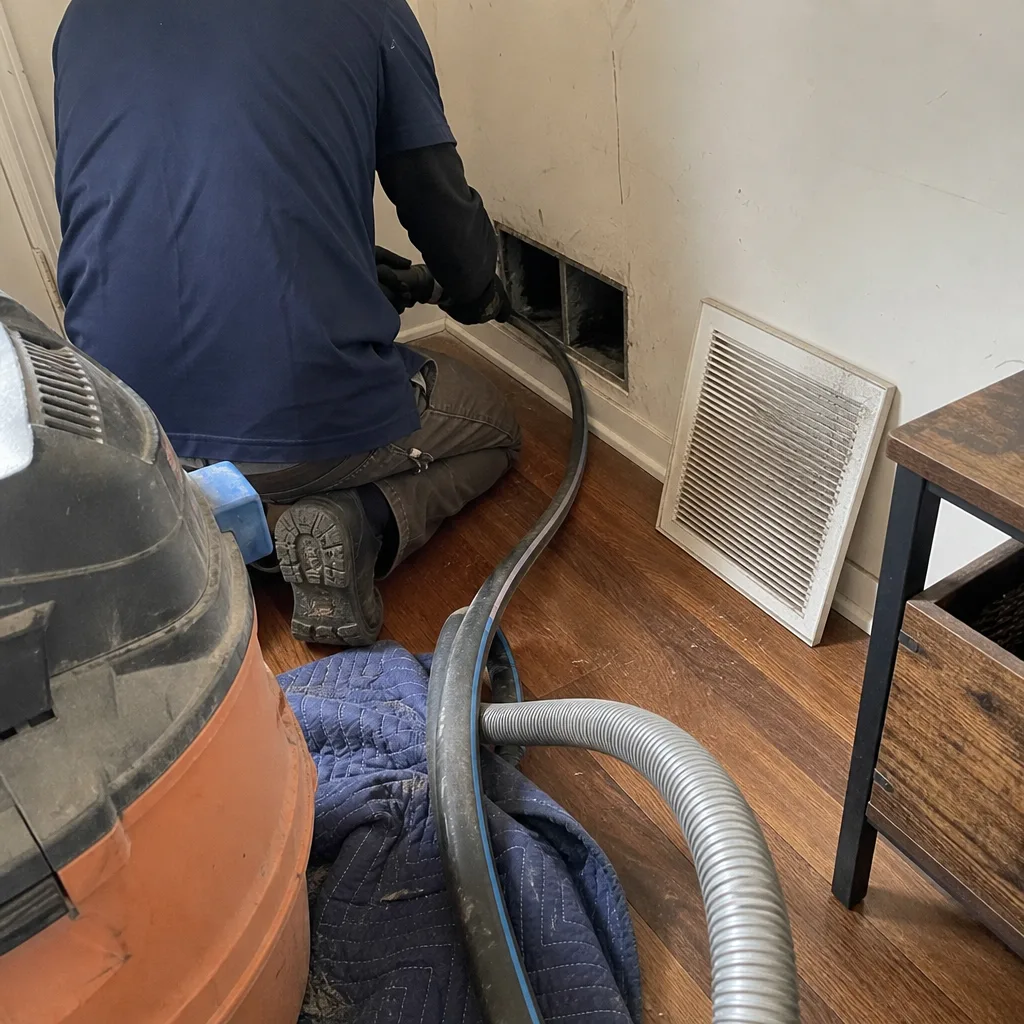 Before
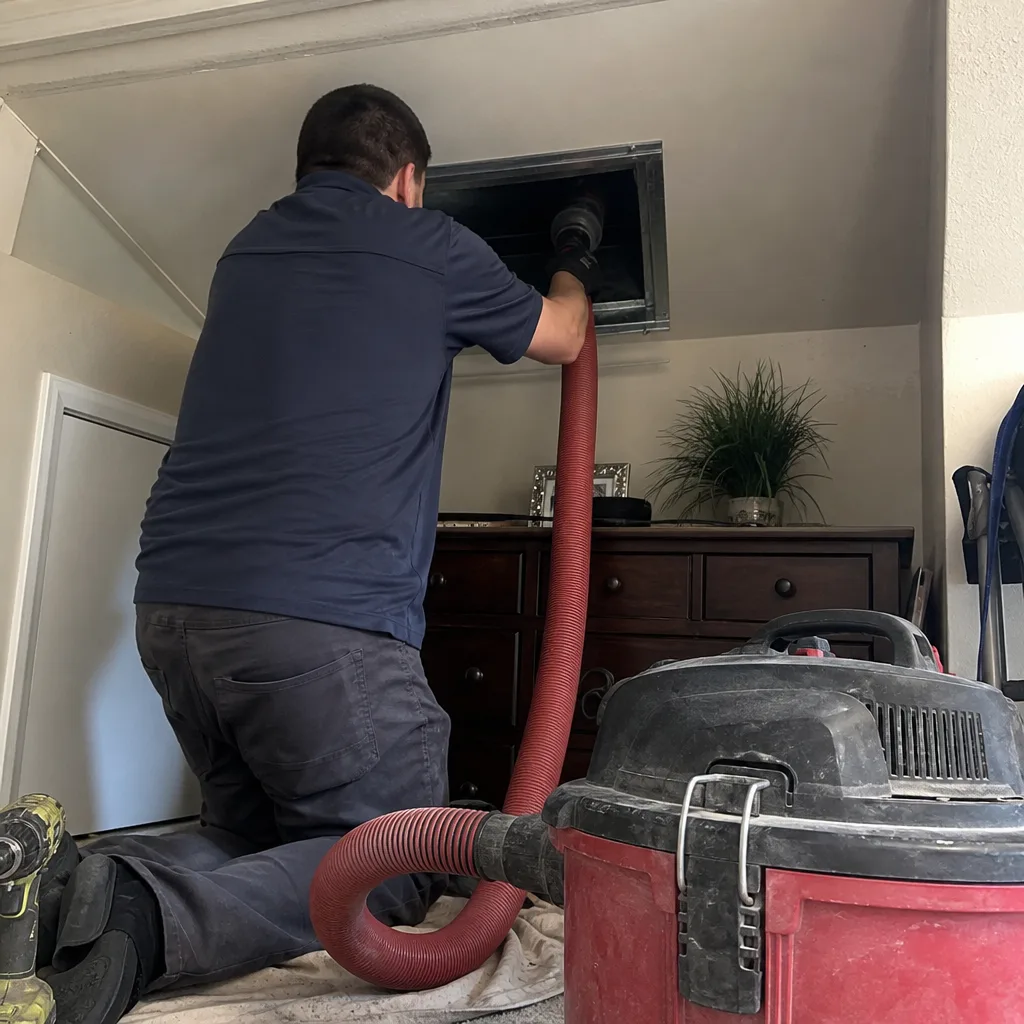 After
After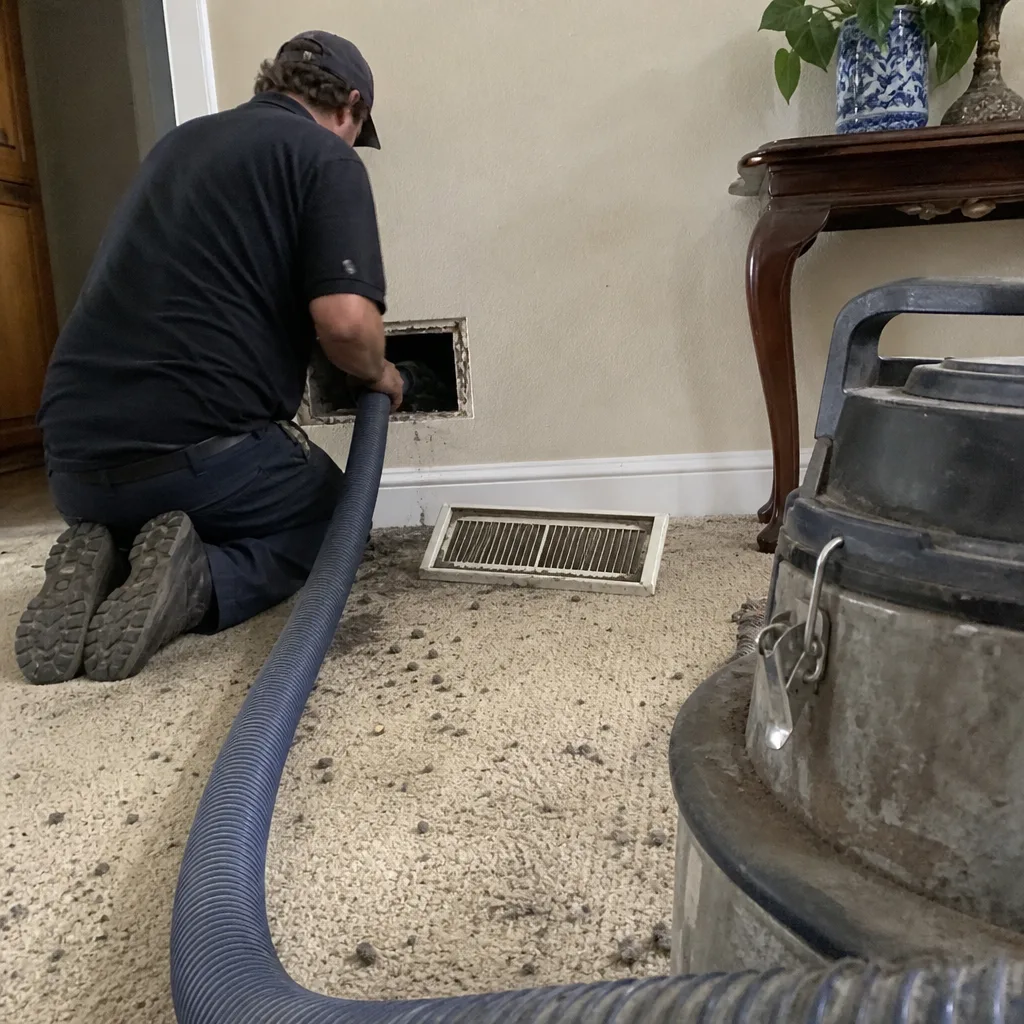 Before
 After
AfterHow to Choose an Air Duct Cleaning Company in Sacramento
If this guide has convinced you of one thing, it should be that the difference between a good duct cleaning experience and a bad one comes down to the company, not the equipment. Anyone can buy a vacuum and print business cards. Here is what to look for when you are evaluating air duct cleaning companies in Sacramento, and for more guides & resources:
- Written pricing before the work starts. The company provides a clear, written quote based on your home’s system, and the quote does not change after the technician arrives. This single factor eliminates most of the bad actors in the industry.
- Per-system pricing, not per-vent pricing. A company that prices by the system has no incentive to invent problems or add charges. A company that prices by the vent has every incentive to find more vents.
- Professional equipment. Look for companies that name their equipment. Rotobrush, Nikro, and Guardsman are professional-grade brands used by serious cleaning companies. Entry-level portable units cannot generate the airflow needed for a thorough clean of a Sacramento home’s duct system.
- Background-checked, uniformed technicians. You are letting strangers into your home. The company should have a formal screening process, and the technicians should arrive in uniform with identification.
- Floor protection as standard practice. Shoe covers, drop cloths, and a plan for protecting your floors and furniture should be standard on every visit, not an add-on service. The company should be able to describe exactly what they will protect and how before the work begins.
- A written promise, not a verbal one. Ask whether the company offers any guarantee on the work, and get it in writing. At Morton’s, every job carries the 365-Day Done Right Promise, which means if the job is not right, we make it right. It is stamped on the job card, not offered as a sales tactic.
- Transparency about scope. A company that only cleans should say so. If they find damage during a cleaning, they should document it, show you the photos, and recommend a licensed C-20 contractor for the repair. A company that cleans and also offers repairs should be able to produce their C-20 license number without hesitation, and you should verify it on the CSLB website before authorizing any repair work.
We have been doing this in Sacramento since 2005, long enough to have seen every variation of bad practice the industry can produce. The homeowners who call us after a bad experience almost always ignored one of the signals above. The homeowners who call us first tend to have a completely different experience.
Common Mistakes to Avoid
- Assuming a cleaning company can legally do repairs. A company can be excellent at cleaning and completely unlicensed for repairs. Always verify a C-20 license before authorizing any repair or replacement work, and check it on the CSLB website.
- Believing a permit is never required for duct work. Like-for-like replacement typically does not require a permit, but system modifications, new duct runs, and relocated registers often do. The City of Sacramento Building Division will answer the question directly if you ask.
- Authorizing an on-the-spot repair without a second opinion. A technician who “notices” damage during a cleaning has a financial incentive to find problems. There is no harm in asking for photos, getting the proposed repair in writing, and taking 48 hours to check the license and think it over.
- Confusing surface mold treatment with mold remediation. An antimicrobial wipe during a cleaning is a legitimate preventive treatment. Mold remediation is a different activity with different licensing and disclosure requirements. If the word “remediation” comes up, the scope has changed.
- Choosing a company on price alone. The $99 advertised special in Sacramento is almost never a whole-system cleaning. The final bill, after per-vent charges and “required” upgrades, often exceeds what a reputable company would have charged for the entire job.
- Believing duct cleaning is always unnecessary. In Sacramento’s climate, with its heat, dust, and pollen, ducts accumulate real material. A camera inspection will show exactly what is in the system. The decision should be based on evidence, not on either sales pressure or skepticism.
- Forgetting that unpermitted work follows the house. When you sell a Sacramento home, the disclosure forms ask about unpermitted work. Unpermitted duct modifications can complicate a sale years after the work was done. Handling it now is always cheaper than handling it during escrow.
When to Call a Professional
If you have noticed visible dust accumulation around your supply registers, a musty smell that intensifies when the HVAC system runs, unexplained allergy symptoms among family members, or energy bills that have climbed despite no change in usage, a professional duct inspection is the right next step. A camera inspection will show exactly what is in the system, and the photos will either confirm that cleaning is warranted or show that the system is fine. Either outcome is worth the cost of the visit.
If a previous contractor has performed duct work and you are uncertain whether it was licensed or permitted, that is also a situation for a professional assessment. The cost of an inspection is small compared to the cost of discovering a problem during a home sale or an insurance claim.
Mortons Air Duct Sacramento offers free estimates for air duct cleaning in Sacramento, and our team can answer questions about your system over the phone. Call (279) 239-4171 for an honest assessment of what your ducts need, or what they don’t need. We also provide dryer vent cleaning in Sacramento for homeowners who want both systems addressed in a single visit.
Frequently Asked Questions
No, standard air duct cleaning in California does not require a permit or a contractor’s license. Cleaning is classified as maintenance, not construction. However, if the cleaning reveals damage that requires repair, like-for-like replacement, or system modification, those activities may require a C-20 contractor license and potentially a permit through the local building department in Sacramento. Call (279) 239-4171 if you want help determining which category your situation falls into.
In most Sacramento homes, replacing a damaged section of duct with a new section of the same size and in the same location does not require a building permit, though the work should be done by a licensed C-20 contractor. A permit is generally required when the replacement alters the system, meaning new duct runs, changed register locations, or modifications that affect airflow design. The City of Sacramento Building Division can confirm whether your specific project needs a permit.
A handyman can perform small duct repairs in California only if the total project cost, including labor and materials, is under $500 and the work does not require a building permit. Anything above that threshold legally requires a C-20 HVAC contractor license. Repairs that involve system modifications, new duct runs, or work valued over $500 are outside a handyman’s legal scope. Verifying the person’s license status on the CSLB website before authorizing any repair is a five-minute step that protects your home.
Visit cslb.ca.gov, click “Check a License,” and enter the contractor’s license number. The page will show the business name, the license classification (look for C-20 for HVAC work), the license status, the issue and expiration dates, and any disciplinary actions. The name on the license must match the company asking you to sign a contract. A legitimate contractor will provide their license number without hesitation; a contractor who cannot or will not is a red flag.
Mold in air ducts indicates a moisture problem in the system, and the mold should be addressed along with the underlying moisture source. A surface antimicrobial treatment during a cleaning is appropriate for preventing microbial growth, but visible mold that has penetrated insulation or affected building materials may require professional remediation under IICRC standards. Sacramento’s dry climate makes widespread duct mold less common than in humid regions, but condensation from poorly insulated ducts can create localized problems. An inspection with a camera will show what is actually in the ducts.
In Sacramento’s climate, with its hot summers, valley dust, and seasonal pollen, most homeowners with pets or allergy sufferers benefit from air duct cleaning every 3 to 5 years. Homes without pets and with newer HVAC systems may go longer between cleanings. The most reliable way to answer the question is a camera inspection, which shows exactly how much material has accumulated in the system. Call (279) 239-4171 for a free estimate in Sacramento.
The Bottom Line
Air duct cleaning in California is a no-permit, no-license activity, and that is fine because cleaning alone is low-risk maintenance work. The trouble starts when a cleaning visit turns into an impromptu repair pitch