
Last updated October 15, 2026
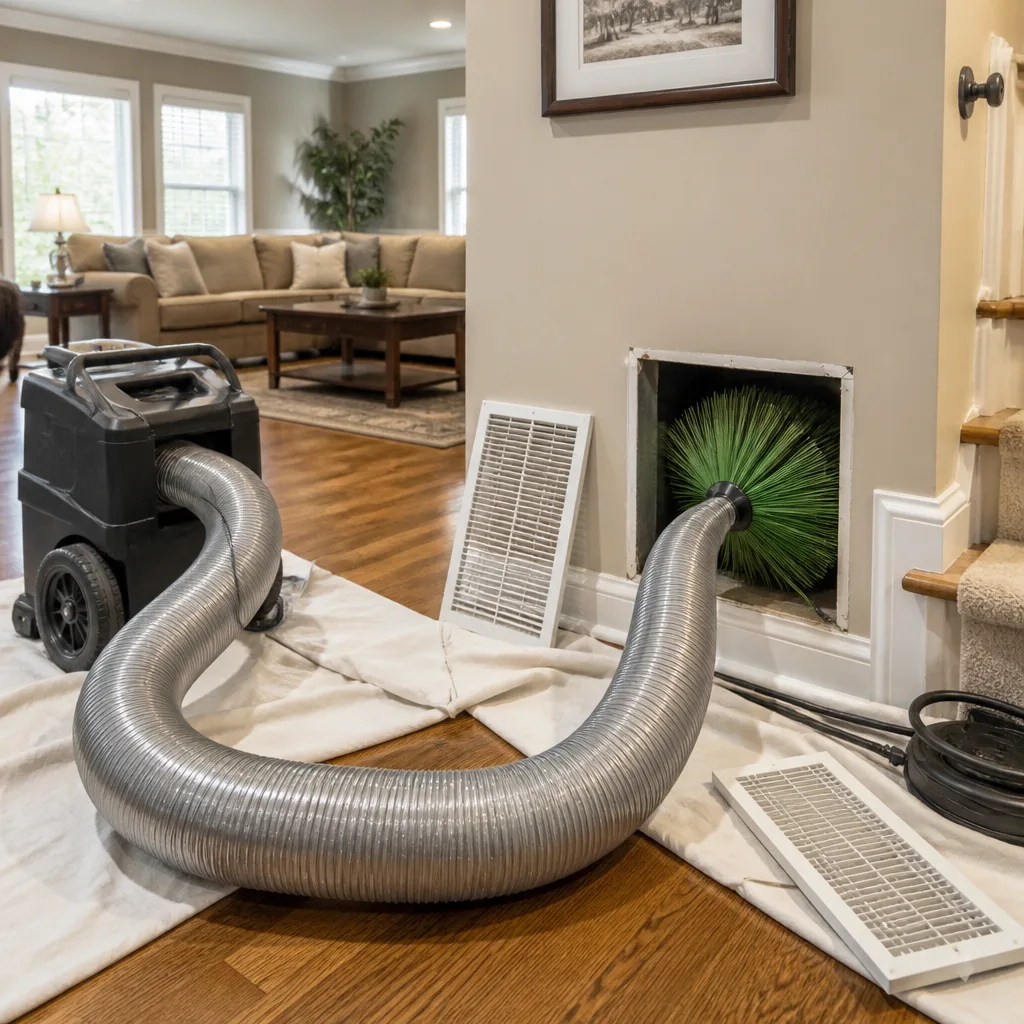 Whole-home duct cleaning
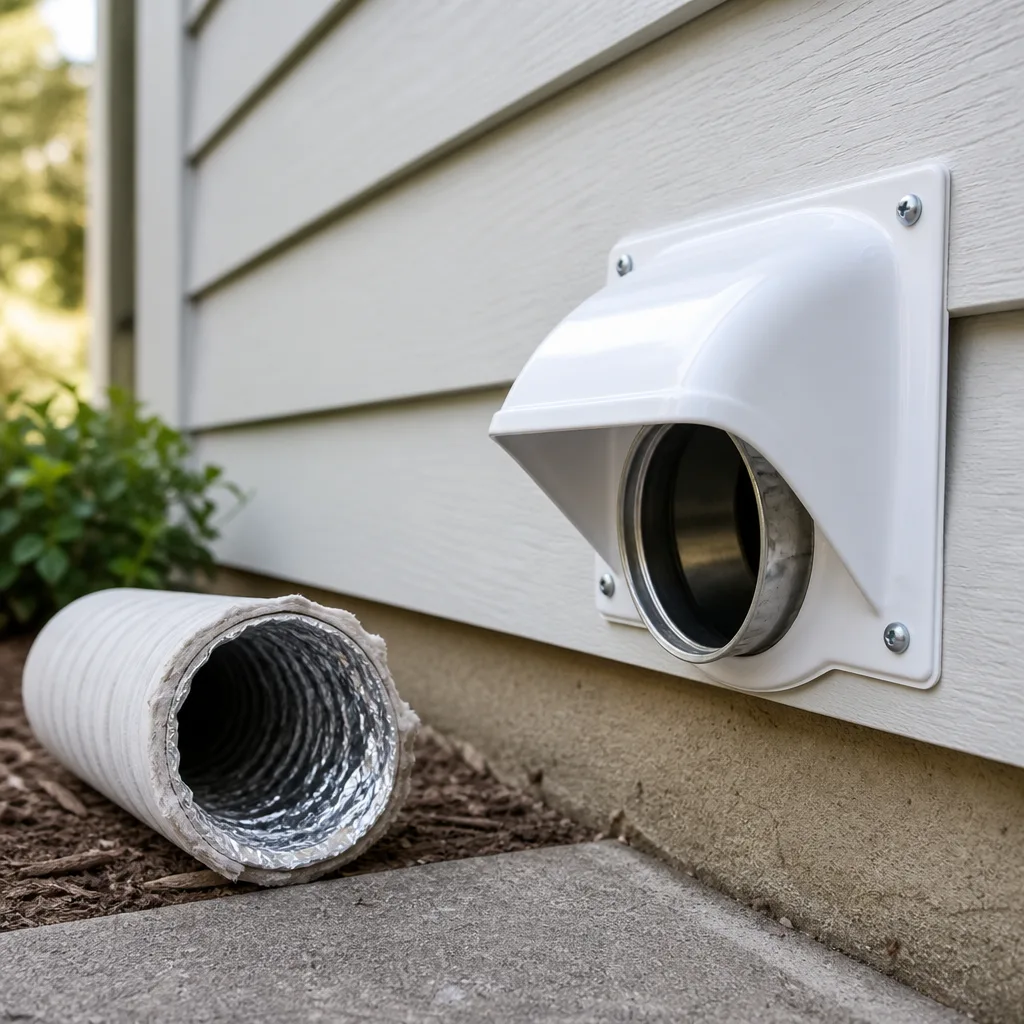 Dryer vent cleaning
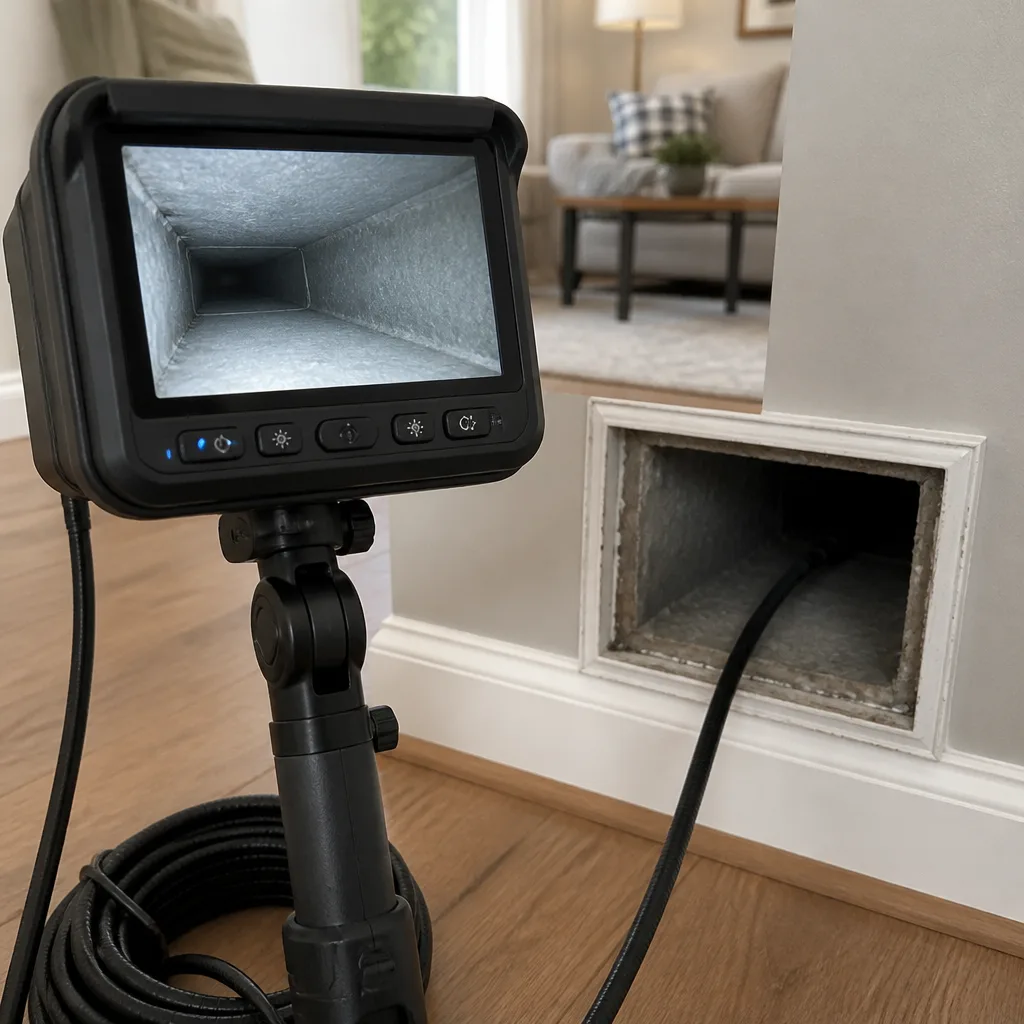 Camera inspection
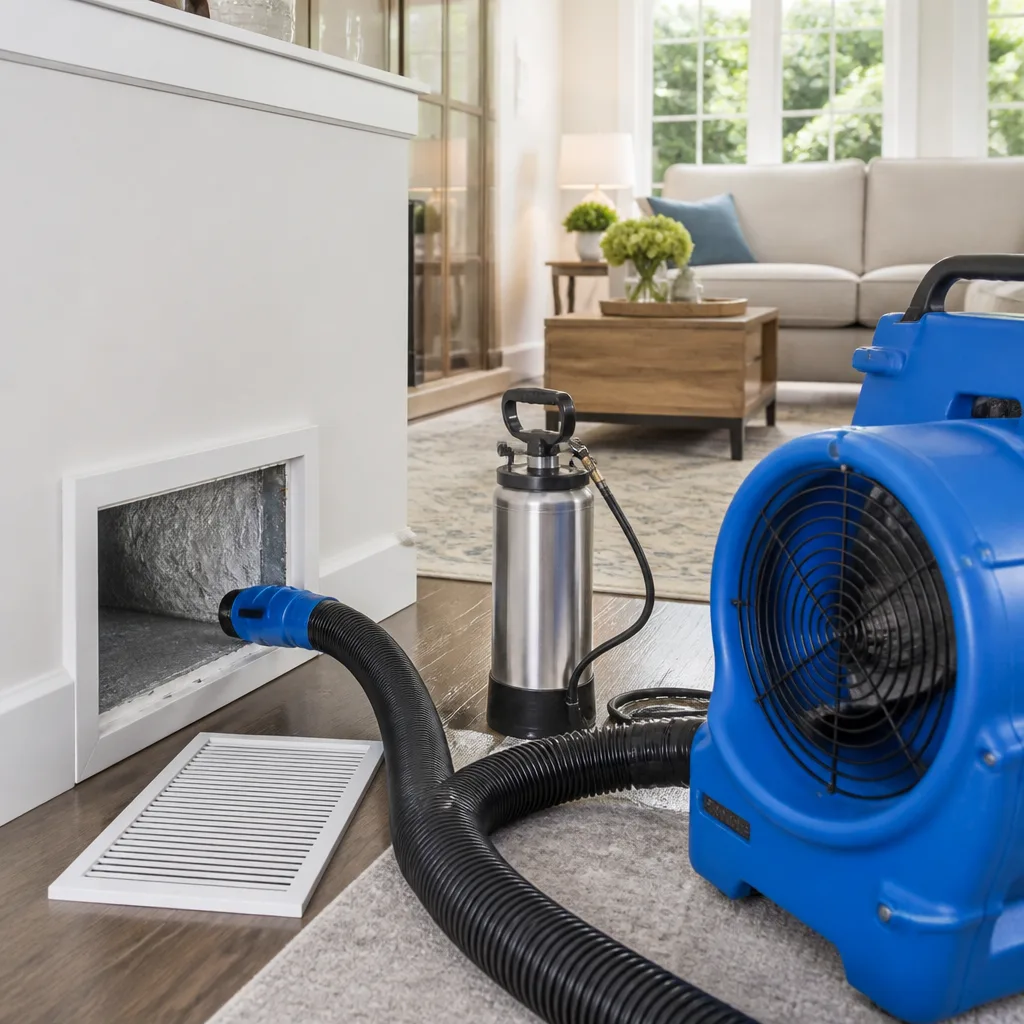 Sanitizing & deodorizing
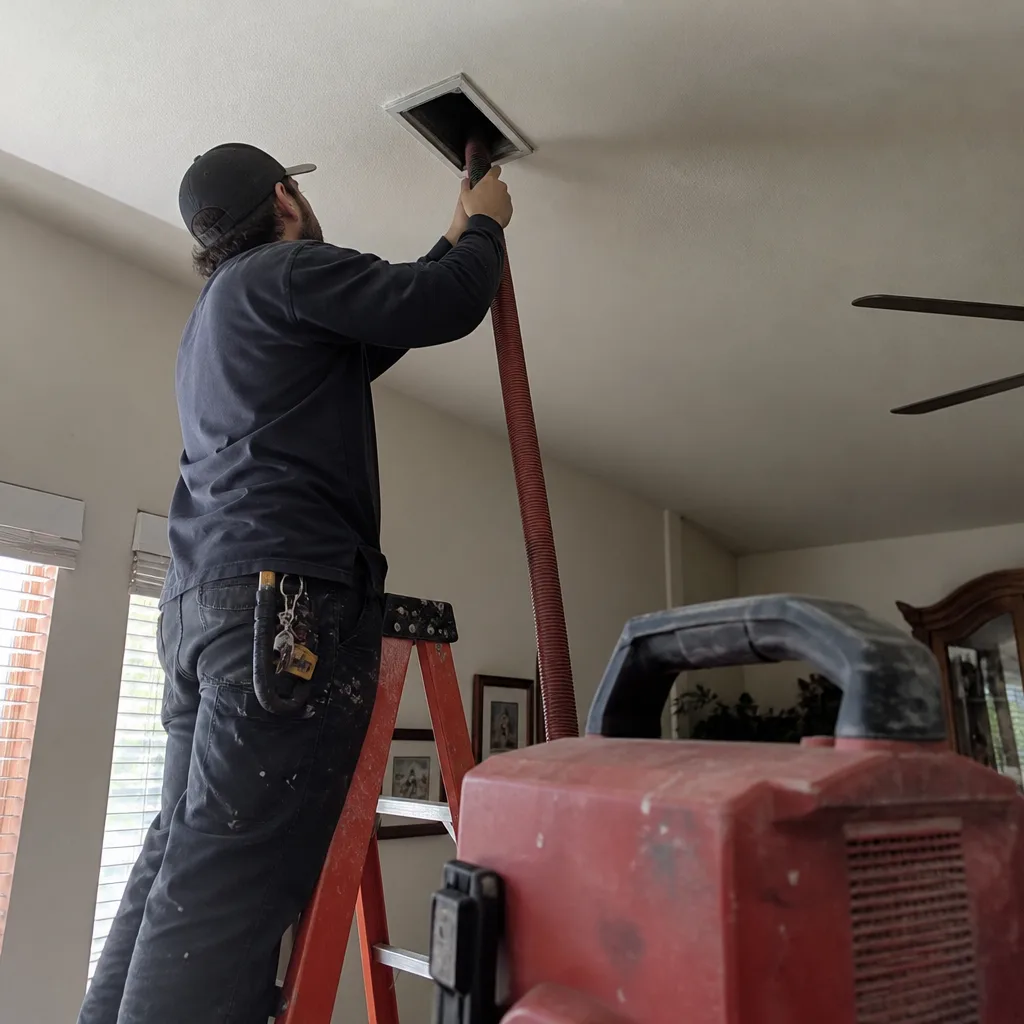
Whole-system duct and dryer vent check with before-and-after photos - you see exactly what came out of your vents
That "$99 whole-house special" is a bait ad - the real number appears once they are in your hallway, or the "clean" is a shop-vac at the register. We photograph the inside of your ducts before and after instead.
Seasonal Air Duct Cleaning Care for Sacramento: Year-Round Homeowner’s Guide
October is when the phone starts ringing at Mortons Air Duct Sacramento home with the same sentence: “We turned on the heat and something smells like it’s burning.” That smell is a full Sacramento summer of dust, pollen, and fine particulate settling onto the heat exchanger and blower assembly, then roasting on the first heating cycle of fall. It’s not dangerous in most cases, but it is entirely preventable. This guide maps the four seasons of Sacramento the way they actually behave – not by the calendar, but by dust storms, wildfire smoke, furnace startup, and tule fog – and tells you exactly what to do in each window to keep your ducts clean, your air moving, and your family breathing easier.
Styles & brands we work with
Quick Answer
Seasonal Air Duct Cleaning services in Sacramento means aligning your duct care with four specific events: spring pollination from Central Valley orchards, summer wildfire smoke infiltration, fall furnace startup preparation, and winter tule fog humidity. The most effective approach is one professional whole-system cleaning per year, timed between late summer and early fall, with homeowner-level filter and vent checks each season in between.
Table of Contents
- Spring in Sacramento: Orchard Pollination and the Dust You Can’t See
- Summer: Wildfire Smoke and Closed-Window Contamination
- Fall: The First Heating Cycle and What Actually Causes That Burning Smell
- Winter: Tule Fog, Indoor Humidity, and Condensation in Ducts
- How One Professional Cleaning Fits the Yearly Rhythm
- What Seasonal Air Duct Cleaning Costs in Sacramento
- Common Mistakes to Avoid
- When to Call a Professional
- Frequently Asked Questions
- The Bottom Line
Spring in Sacramento: Orchard Pollination and the Dust You Can’t See
Most national air duct guides talk about spring as “allergy season” and leave it there. Sacramento has something far more specific happening. From late February through April, the Central Valley’s almond orchards bloom in a coordinated wave that releases enormous volumes of pollen into the air. Sacramento sits directly in the path, and on dry, breezy days that pollen travels for miles. You’ll see it as a fine yellow-green film on car windshields in neighborhoods from Natomas to Elk Grove.
What you don’t see is what’s entering your home. Pollen grains are larger than smoke particles but small enough to pass through a standard fiberglass filter. Once inside the return air stream, they circulate through the duct system and settle in places where airflow slows: elbows, transition boxes, and the return plenum. A home with older ducts and a mid-grade filter can accumulate a surprising amount of material in just a few weeks of peak bloom.
Here’s what we recommend each spring in Sacramento:
- Change your filter in the first week of March. Before peak bloom, not during. Putting a fresh filter in before the pollen wave means it has full capacity to catch what’s coming.
- Run a MERV 8 to MERV 11 filter during March and April. Higher than that can restrict airflow on residential systems not designed for dense media. Aprilaire makes a solid range of mid-MERV options that balance capture with airflow.
- Wipe down supply registers and return grilles on the first weekend of April. If you see a fine dust ring forming around the louvers, that’s pollen and dust that would otherwise be pulled back through the system.
- Listen for changes in airflow sound. If the system sounds like it’s working harder in late April than it did in February, the blower may be pushing against a loaded filter or a dusted evaporator coil.
Spring is also a good time to check outdoor dryer vents. Orchard dust settles on vent hoods and can combine with spring rain into a paste that restricts the flap. Dryer Vent Cleaning in Sacramento is a service we perform year-round, but spring is when we see the most exterior buildup from pollination dust.
Summer: Wildfire Smoke and Closed-Window Contamination
Sacramento summers now come with a recurring question: how bad will the smoke be? Smoke events from wildfires in the Sierras, the Coast Range, and the Sacramento Valley foothills push fine particulate matter – PM2.5 and smaller – into the air for weeks at a time. The standard advice is to keep windows closed and run the HVAC fan. That advice protects your lungs but doesn’t account for what’s happening inside the ductwork.
Here’s the issue: your HVAC system pulls return air from inside the house, but every home has leakage points. Gaps around doors, range hood penetrations, and attic access panels let smoky outdoor air infiltrate even with windows sealed. That smoke-laden air gets pulled through the return system. A MERV 8 filter catches some of it. A MERV 13 filter catches more – but only on the systems that can handle the pressure drop. What gets through settles in the ducts as a fine, gray dust that you’ll later smell on the first heating cycle in October.
Post-smoke-event inspection in a Sacramento home looks like this:
- Visual check of the filter: If it’s gray or brown after a two-week smoke event, the system has been working hard. Replace it even if the calendar says it has life left.
- Supply register inspection: Smoke particulate tends to collect on the outlet side first. If you see gray streaking around louvers, the duct interior likely has a coating.
- Blower compartment examination: The blower wheel vanes collect fine particulate. A loaded blower wheel throws off balance, increases motor load, and reduces airflow.
- Coil check: Smoke particulate that reaches the evaporator coil can combine with condensation into a slurry that insulates the coil and reduces cooling efficiency.
We use Rotobrush equipment for whole-system cleaning because it agitates particulate loose from duct walls rather than just pulling air through. For smoke-affected systems, that agitation step matters – smoke particulate adheres to duct surfaces in a way that ordinary dust doesn’t.
Fall: The First Heating Cycle and What Actually Causes That Burning Smell
Every October in Sacramento, thousands of homes fire up their furnaces for the first time in six months, and thousands of homeowners catch a whiff of something burning from the vents. The smell usually fades within twenty minutes. That’s aerosolized dust burning off the heat exchanger. The dust is a full season’s accumulation – spring pollen, summer smoke particulate, pet dander, and general household dust – that settled through the system during the cooling months and has been sitting on top of the heat exchanger waiting for ignition.
The smell isn’t harmful in most cases. But it signals a system that hasn’t been prepared for heating season. Here’s the Air Duct Cleaning Maintenance Checklist for Sacramento Homeowners we recommend every fall, timed to the first heating startup:
- Schedule your professional duct cleaning in late September or early October. Before the first heating cycle, not after. This removes the accumulated dust before it ever hits the heat exchanger.
- Replace the furnace filter on the day of your first heating startup. Not the day before, not the day after. A clean filter on startup day means whatever residual dust remains gets caught before circulating.
- Have the blower compartment checked. The blower wheel accumulates dust on the trailing edges of each vane. A dusted blower wheel moves less air, which means longer run times and higher utility bills through the winter.
- Inspect duct boots and register connections. Summer heat cycling can loosen connections. Gaps let conditioned air escape into wall cavities and unconditioned spaces.
- Verify the return air path. Make sure furniture, rugs, and stored items haven’t blocked return grilles over the summer. Restricted returns cause the blower to work harder and can pull negative pressure that draws dust from unconditioned spaces.
The timing here matters. In Sacramento, the first cold snap often arrives in mid-October alongside warm afternoons. That’s the window when we see the most furnace startup calls. If you’ve cleaned the ducts before that snap, there’s no burning smell, no dust circulation, and no question about whether the smell you’re noticing is something more serious than dust.
Winter: Tule Fog, Indoor Humidity, and Condensation in Ducts
Sacramento winters are defined by tule fog. It settles into the Central Valley from November through February, sometimes lasting for days or weeks. The fog increases outdoor relative humidity to near saturation. Inside, homes tighten up – windows closed, doors sealed against drafts, heating systems running in short cycles. That combination creates two problems: reduced ventilation and increased indoor humidity.
Condensation in ducts doesn’t happen in every home. It shows up most often in crawlspace ducting, where warm humid air from the house encounters cold duct surfaces during heating cycles. The result can be persistent moisture in the duct system, and moisture in ducts is the one condition that creates mold risk. Sacramento’s climate doesn’t produce year-round duct moisture the way a humid coastal city might, but winter fog creates a seasonal window where condensation is possible.
What to watch for in winter:
- Musty odor from supply registers during heating cycles. That’s the earliest indicator of moisture in the system.
- Visible condensation on metal register faces. Cold outside air meeting warm indoor air at the register can produce surface moisture, but persistent condensation points to humidity inside the duct.
- Water stains on insulation around duct boots. If the insulation is dark or stained, moisture has been present.
- Increased dust accumulation on surfaces. Humid ducts make dust stickier and more likely to clump and circulate.
Winter is also when dryer vent cleaning becomes a safety issue we pay close attention to. Cold weather keeps homes sealed, which means dryer exhaust has less makeup air and can backdraft. Combined with winter humidity, the lint buildup in the vent becomes heavier and more restrictive. We’ve seen Sacramento homes where a summer’s worth of accumulated lint became fully compacted after the first fog event of the season.
How One Professional Cleaning Fits the Yearly Rhythm
National duct cleaning recommendations usually say “every three to five years.” That’s a generic timeline for a generic climate. Sacramento’s specific seasonal challenges – orchard pollen in spring, wildfire smoke in summer, furnace startup in fall, fog humidity in winter – create a heavier annual particulate load than most of the country experiences. For homes with kids and pets, the load compounds faster. Pet dander, tracked-in dirt, and the general chaos of family life add particulate to the system that a childless household simply doesn’t produce.
The rhythm that works best for Sacramento homes:
- March: Filter change before orchard bloom. Register wipe-down after peak pollen.
- Summer: Post-smoke-event filter replacement and register inspection after any significant wildfire event.
- Late September to early October: Professional whole-system duct cleaning, timed before the first heating cycle.
- Winter: Monthly filter checks during fog season. Watch for condensation signs at registers.
Why late summer into early fall for the professional clean? Because it removes everything the system accumulated during the two heaviest loading periods – spring pollen and summer smoke – before the heating system starts pulling that material across the heat exchanger. It’s the single highest-impact cleaning point in the Sacramento year. National guides that recommend cleaning “anytime” miss this: in Sacramento, there is a clearly better time.
We run professional-grade equipment from Rotobrush and Nikro because whole-system cleaning requires agitation, not just suction. A strong vacuum pulls loose dust. Rotobrush’s rotating brush head dislodges the particulate that’s adhered to duct walls – the pollen, smoke residue, and pet dander that Sacramento homes accumulate. It’s the difference between cleaning what’s floating and cleaning what’s stuck. Abatement Technologies negative air machines keep the dislodged material contained during the process so it doesn’t circulate into living spaces.
What Seasonal Air Duct Cleaning Costs in Sacramento
Sacramento Air Duct Cleaning Cost Breakdown: The Sacramento Homeowner’s Reference for 2026 shows prices vary by home size, system accessibility, and the condition of the ductwork. What you should know before calling around: most legitimate whole-system cleaning jobs in the Sacramento area land between $350 and $650 for a typical single-family home. Homes with multiple HVAC systems, long duct runs, or heavily contaminated systems can run higher. Get a written price before any work starts, and be wary of any quote that seems dramatically below the market range – low-ball duct cleaning quotes are the most common source of bait-and-switch pricing in the industry.
| System Size | Typical Sacramento Price Range | What’s Included |
|---|---|---|
| Small home (under 1,200 sq ft, one system) | $350 – $450 | Supply and return ducts, blower compartment, registers |
| Average home (1,200 – 2,500 sq ft, one system) | $400 – $600 | Full duct system, blower, coil if accessible, register cleaning |
| Large home (2,500+ sq ft, two systems) | $550 – $850+ | Multiple systems, all supply/return runs, blowers, coils |
Every Air Duct Cleaning in Sacramento job we perform comes with a written price before anything starts – no per-vent pricing games, no add-ons discovered after the fact. You’ll know the number before a technician touches the first register.
Common Mistakes to Avoid
- Reacting to the burning smell instead of preventing it. The October furnace smell means a season of accumulated dust hit the heat exchanger. If you clean before heating startup, you never smell it at all.
- Running a MERV 13 filter on a system designed for MERV 8. Dense filters restrict airflow, which increases blower load and can reduce system efficiency. Match the filter rating to your system’s design.
- Ignoring summer smoke because “the windows were closed.” Smoke infiltrates through gaps and gets pulled through the return system. Closed windows reduce it, they don’t eliminate it.
- Cleaning ducts in spring and expecting it to last through fall. Spring cleaning misses the summer smoke load. Late summer or early fall timing captures both major seasonal particulate events.
- Blocking return grilles with furniture during a remodel or furniture shuffle. Restricted returns pull negative pressure and draw dust from unconditioned spaces into the system.
- Hiring on price alone. Sacramento’s duct cleaning market includes operators who quote a low base price and then “discover” problems once they’re inside the system. A written whole-system price before work starts protects you from this.
- Forgetting the dryer vent. Lint accumulation doesn’t pause for the seasons. It compounds all year, and winter’s closed-home conditions make it more dangerous.
When to Call a Professional
Seasonal checks and filter changes are homeowner territory. Whole-system cleaning is not. If you’ve noticed reduced airflow from multiple registers, persistent dust accumulation on surfaces within days of cleaning, the October burning smell that doesn’t fade within half an hour, any musty odor from supply registers during heating, or visible dust plumes when vents open, it’s time for a proper cleaning with agitation equipment and containment. Mortons Air Duct Sacramento offers free estimates in Sacramento – call (279) 239-4171 and you’ll get a written number before anything starts. Our technicians arrive in uniform, wear shoe covers and lay drop cloths from the front door to the work area, and take a photo of the clean-up before they leave. We work around nap schedules and use quiet tools where the option exists. The Cedarwell Care Promise is stamped on every job we do, and if it’s not done right, the 365-Day Done Right Promise means we make it right – full stop.
Frequently Asked Questions
Given Sacramento’s specific seasonal loads – orchard pollen in spring, wildfire smoke in summer, and the resulting accumulation hitting the heat exchanger each fall – an annual professional cleaning timed to late September or early October is the most effective rhythm for most homes. Homes with multiple pets or family members with respiratory concerns may benefit from additional attention, but annual fall cleaning is the baseline that works for the Sacramento climate. Call (279) 239-4171 for an exact assessment of your system.
That smell is a full season of accumulated dust, pollen, and fine particulate roasting off the heat exchanger on the first heating cycle. It’s almost always a sign that the ducts and blower compartment were never cleaned after the summer’s particulate load settled. The smell fades as the dust burns off, but the better approach is to clean the system before heating startup so there’s nothing on the exchanger to burn in the first place.
Yes. Even with windows sealed, Sacramento homes have air leakage points – door gaps, attic hatches, range hood penetrations, and electrical box openings. Smoke-laden outdoor air infiltrates through those gaps and gets pulled through the return system. Your filter catches some, but what passes through settles in the ducts as fine gray particulate that you’ll smell on the next heating cycle.
For most single-family homes in Sacramento, a legitimate whole-system cleaning runs between $350 and $650. Be suspicious of quotes well below that range – they’re often bait for add-on pricing once the technician is inside the system. A written whole-system price before work starts is the single best protection against overcharges. Call (279) 239-4171 for a free estimate with a written number up front.
Yes. Late September through early October is the optimal window for Sacramento homes. It removes the combined spring pollen and summer smoke accumulation before the first heating cycle burns it onto the heat exchanger. Cleaning in spring leaves the system exposed to the entire summer smoke season. Cleaning mid-winter means your family breathes whatever the system collected through the fall.
Duct cleaning removes accumulated particulate from the system, but it won’t stop outdoor pollen from entering your home during March and April bloom. What it does is eliminate the reservoir effect – the buildup of old pollen, dust, and dander inside the ducts that gets intermittently kicked loose during heating and cooling cycles. Clean ducts plus a proper MERV 8-11 filter and consistent filter changes during bloom season is the combination that makes the biggest difference for allergy sufferers in Sacramento.
The Bottom Line
Sacramento’s seasonal air quality challenges are specific: orchard pollen blankets the valley in spring, wildfire smoke settles through summer, the first October heating cycle burns accumulated dust into that familiar smell, and winter tule fog creates humidity conditions that can lead to condensation inside ductwork. A seasonal care rhythm built around those four events – one annual professional cleaning timed to late September, consistent filter changes matched to the season, and register and vent checks at each seasonal shift – keeps your system working efficiently and your indoor air cleaner. For more guides & resources, visit our blog. Call (279) 239-4171 to schedule a free Sacramento estimate and get a written price before anything starts.
Written by Paul Adeyemi, Owner at Mortons Air Duct Sacramento, serving Sacramento since 2005.
See the difference
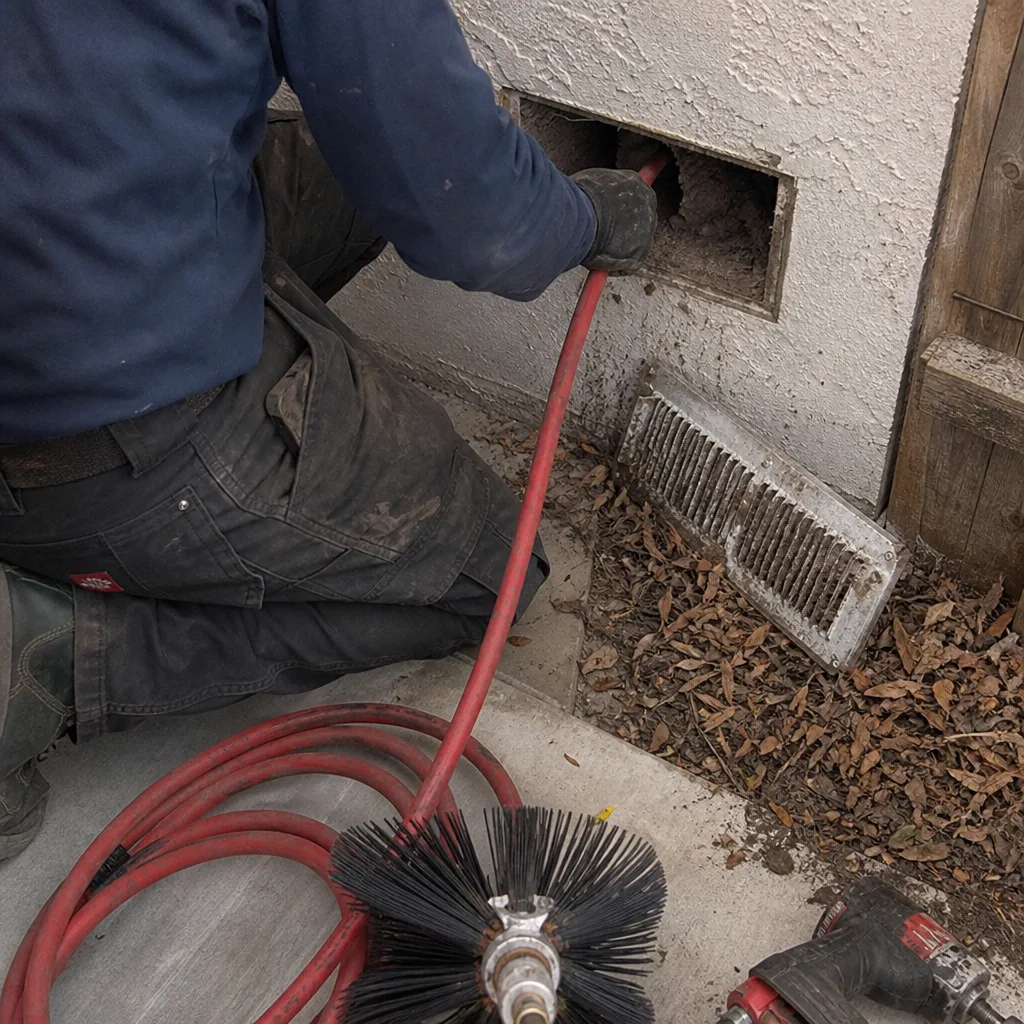 Before
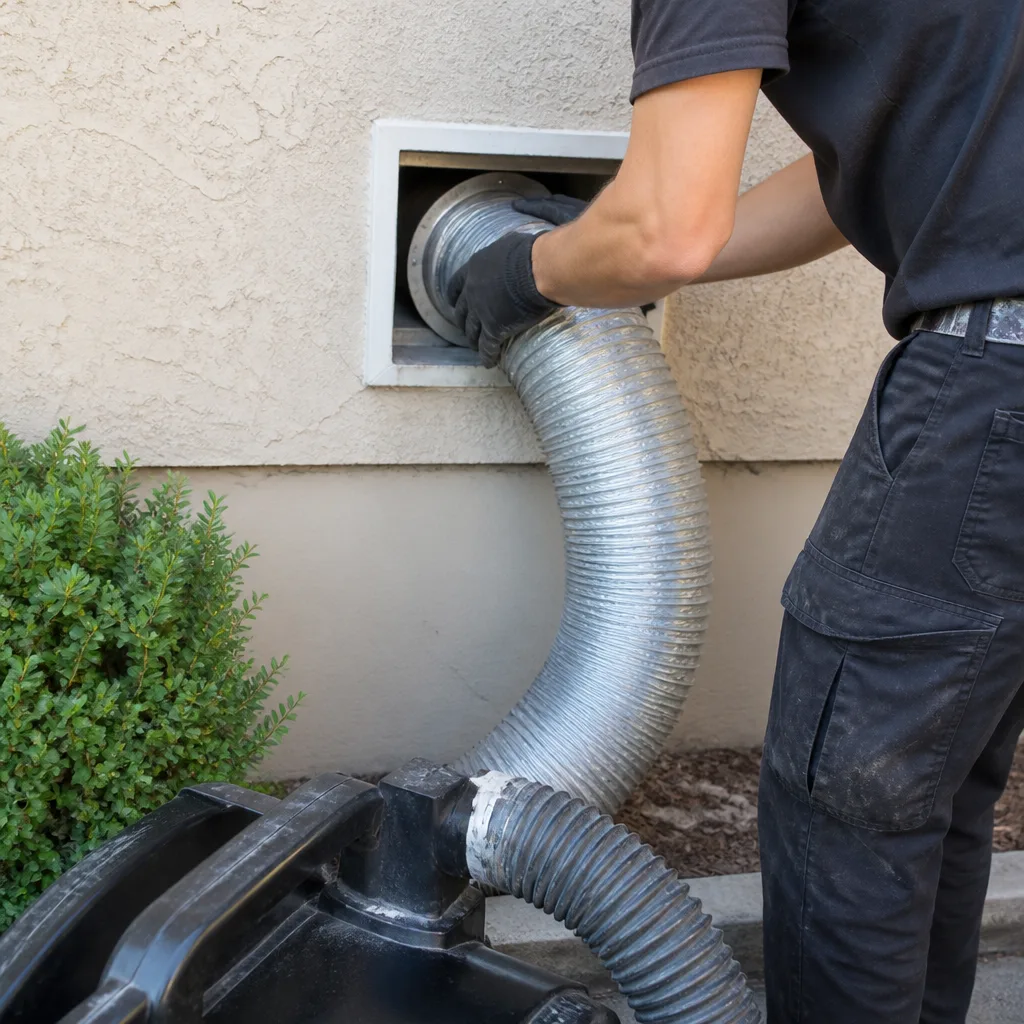 After
After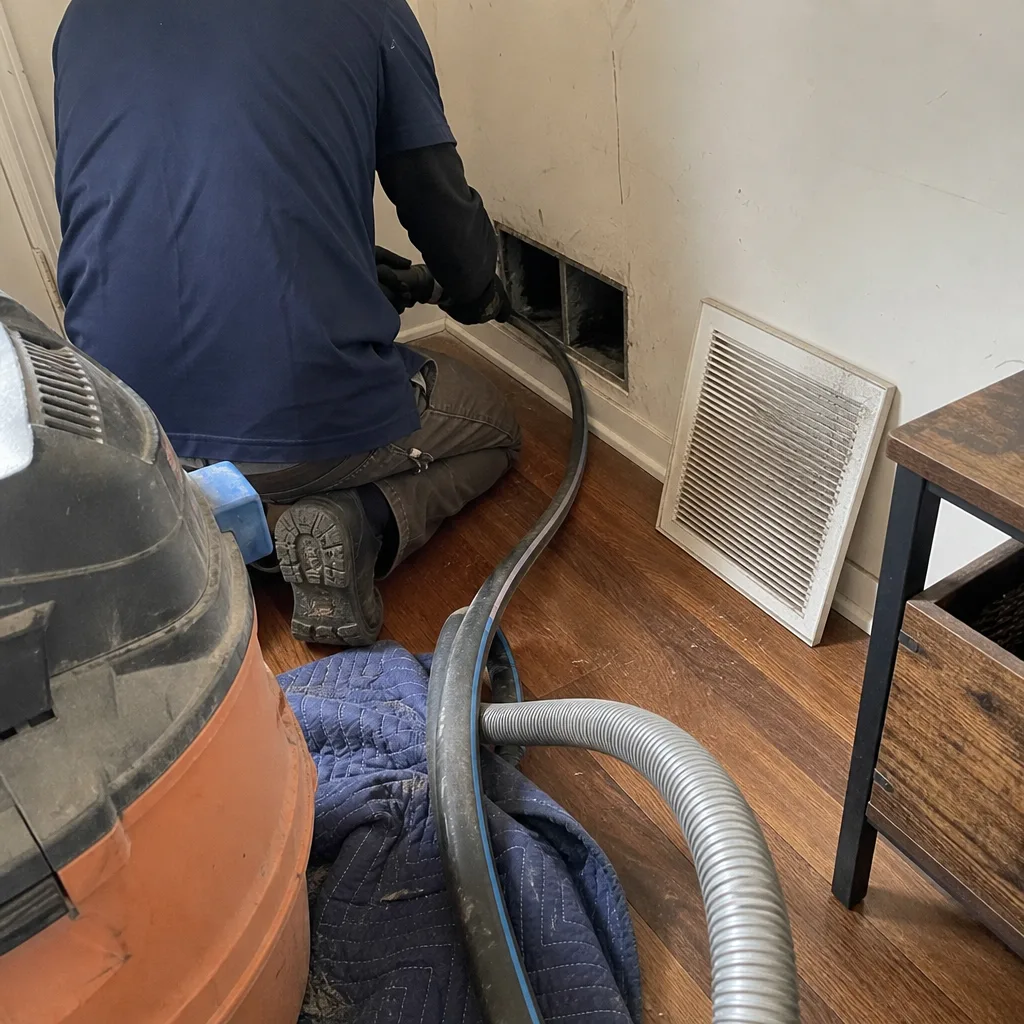 Before
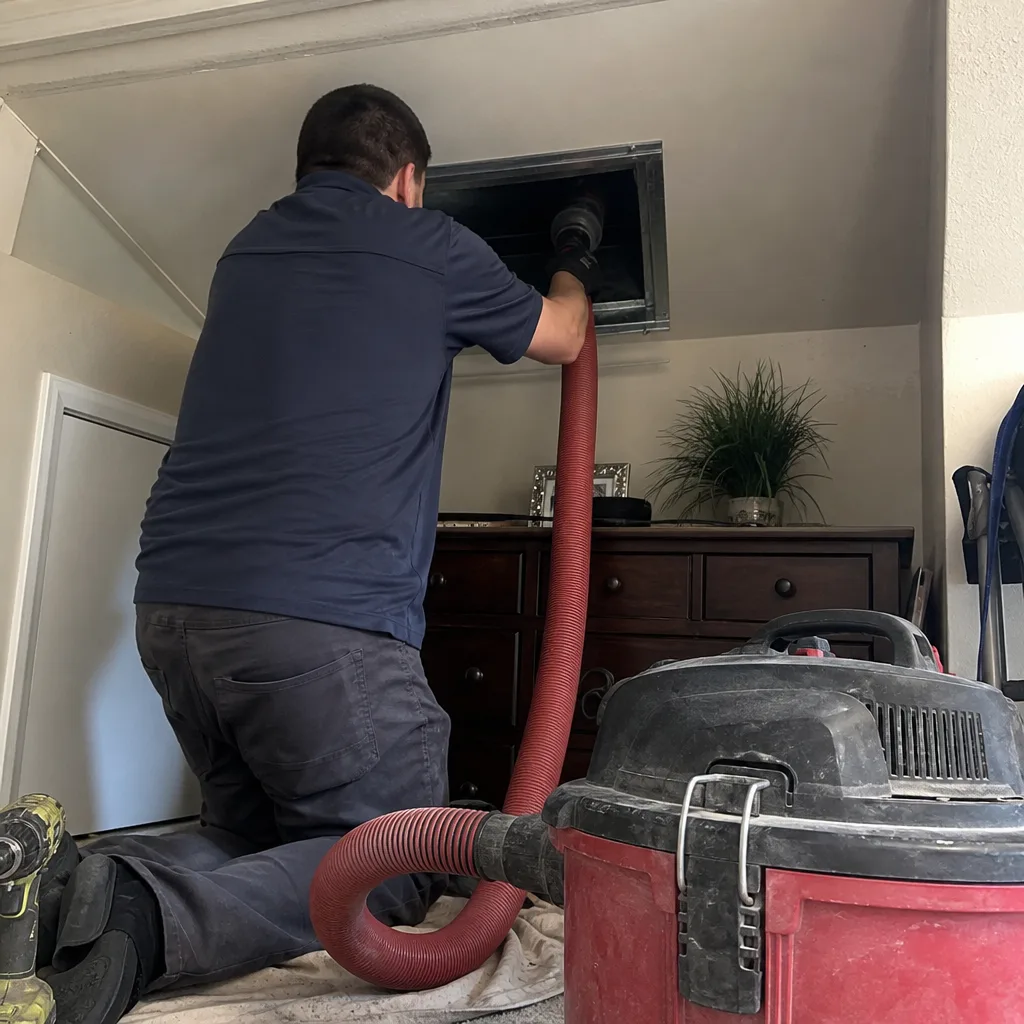 After
After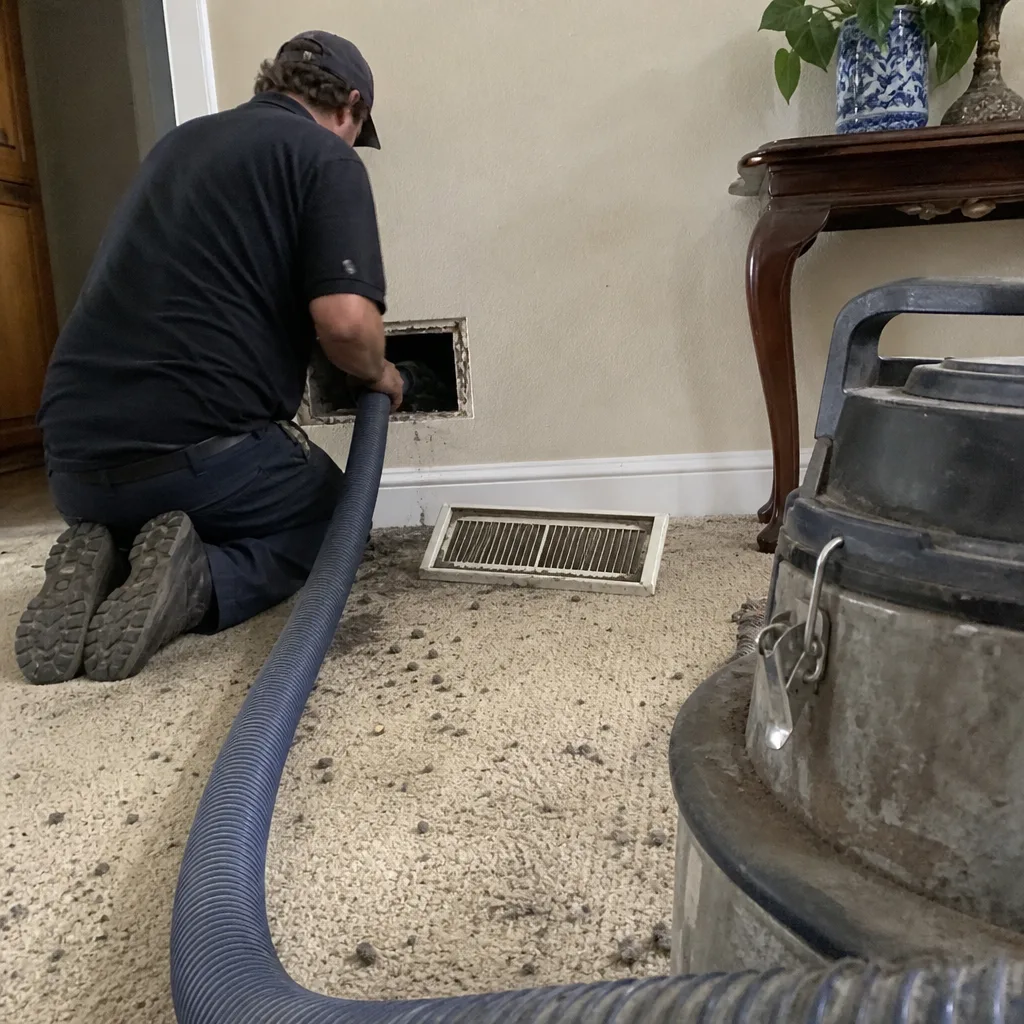 Before
 After
After